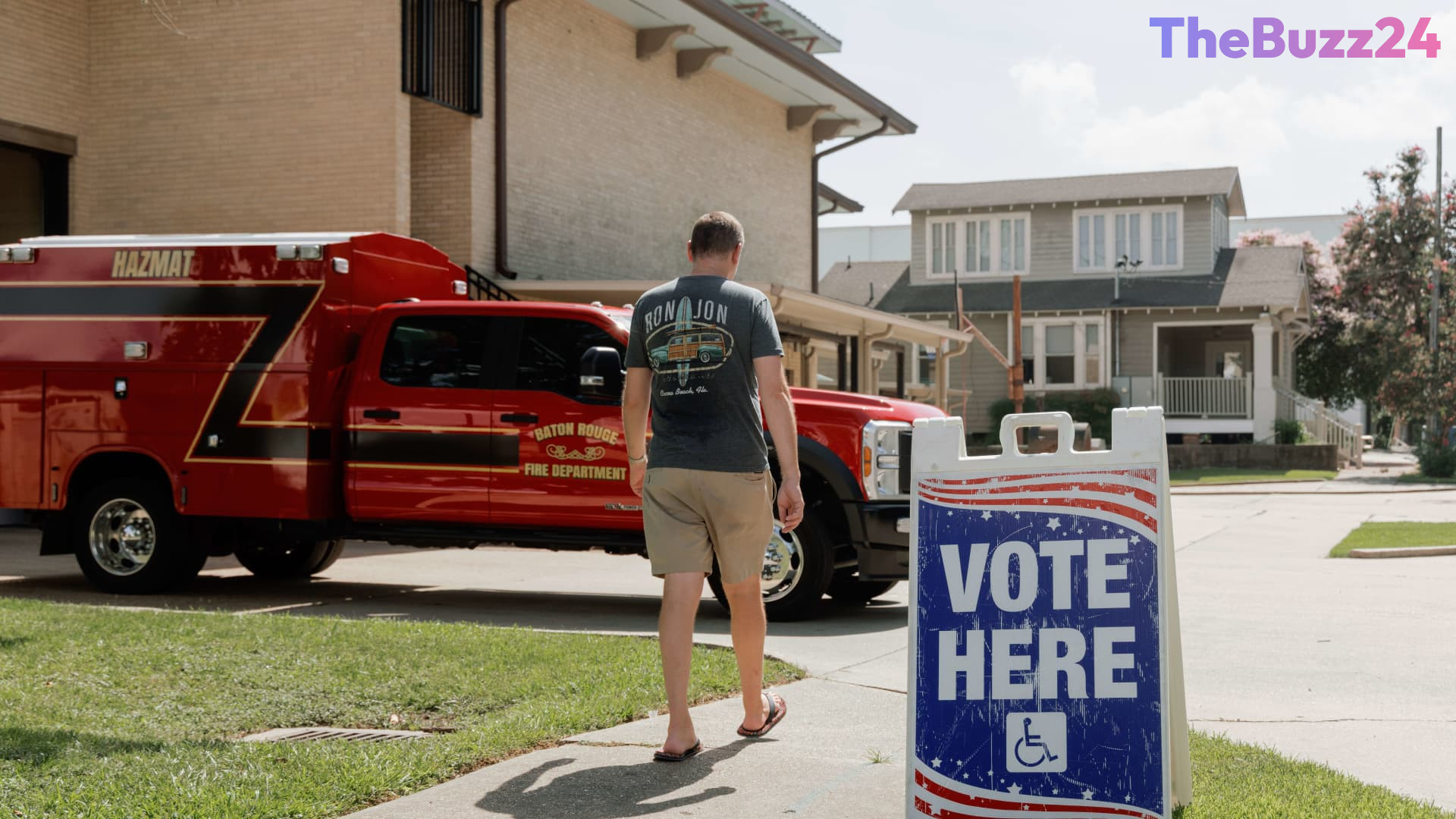
Voters Face High-Stakes Decisions as Property Tax Reform Hits State Ballots
As the midterm elections approach, voters across 13 states are preparing to decide on 26 ballot initiatives that could fundamentally reshape local tax policy. While national attention has been drawn to high-profile wealth tax proposals, the most significant impact for the average American lies in a wave of measures aimed at curbing property taxes. These initiatives reflect a growing tension between taxpayers struggling with rising costs of living and local governments concerned about the potential erosion of essential public services.
States including Florida, Georgia, Louisiana, Oklahoma, North Carolina, Tennessee, and Wyoming are considering various proposals to limit property tax burdens. These range from increasing homestead exemption thresholds to outright prohibitions on state-level property taxes. Proponents argue that these measures are necessary to combat government overspending and provide relief to homeowners who feel they are essentially paying rent to the state. Supporters emphasize that limiting tax levies forces municipalities to practice better financial discipline and prioritize essential spending.
Conversely, local officials are sounding the alarm regarding the potential for massive revenue shortfalls. Mayors and county commissioners warn that significant cuts to property tax revenue could lead to the deterioration of public infrastructure, including roads, parks, and libraries, as well as potential impacts on public safety and emergency response times. Economic projections suggest that some of these measures could result in billions of dollars in lost revenue over the next decade, creating a difficult trade-off for voters who must weigh personal tax savings against the health of their local communities.
Recent polling and historical election data suggest that while voters are generally supportive of tax relief, their enthusiasm often wanes when the specific consequences for local budgets are made clear. As campaigns intensify, the debate has become a referendum on the role of government, with advocates pushing for lower tax burdens and opponents warning of the long-term risks to municipal stability. The outcome of these votes will likely set a precedent for how states balance the demand for tax relief with the need to fund local government operations.
Key Takeaways
- Thirteen states have placed 26 tax-related ballot initiatives on the midterm election ballots, with a primary focus on property tax relief.
- Proponents argue that tax rollbacks are essential to combat government overspending and alleviate the financial burden on homeowners.
- Local officials warn that significant property tax cuts could lead to severe budget deficits, potentially forcing reductions in public services like infrastructure and emergency response.
Editor’s Analysis & Impact
The current surge in property tax ballot initiatives represents a critical inflection point in the relationship between American homeowners and local governance. As inflation and housing costs have risen, the property tax has become a lightning rod for voter frustration. From a market perspective, these measures could significantly alter municipal bond ratings and the fiscal health of local governments if passed in their most aggressive forms. The broader implication is a potential shift toward a more constrained model of local government, where municipalities are forced to operate with significantly reduced revenue streams. This trend suggests that the future of local public finance will be defined by a struggle to maintain service levels while adhering to strict, voter-imposed fiscal limitations. Investors and policymakers should monitor these results closely, as they will likely signal a long-term shift in how public infrastructure is funded across the United States.
Frequently Asked Questions
Q: Why are property taxes a major focus in the upcoming midterm elections?
A: Property taxes are being targeted because they represent the largest tax burden for many homeowners, and voters are increasingly using ballot initiatives to push back against rising government spending and cost-of-living pressures.
Q: What are the primary arguments against these property tax reduction measures?
A: Opponents, including many local mayors and commissioners, argue that these cuts will lead to significant revenue shortfalls, resulting in the degradation of essential services like road maintenance, public safety, and library operations.
AI Disclosure: This article is based on verified data and official reports. Our Team and AI have cross-referenced every financial detail with primary sources to ensure total accuracy.
More from this Category