Crisis at Sea: Lawmakers Demand Answers Over Deteriorating Conditions Aboard USS Abraham Lincoln
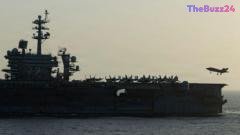
The USS Abraham Lincoln has become the center of a growing controversy as reports emerge of severe living conditions for the 5,000 service members currently deployed aboard the aircraft carrier. Having spent more than 250 days at sea, sailors are reportedly facing a cascade of hardships, including food shortages, broken plumbing, lack of hygiene supplies, and persistent mental health struggles. The deployment, which was originally scheduled to conclude in May, has faced multiple extensions, leaving the crew without the necessary decompression time typically afforded during port visits.
Congressional leaders have begun to voice urgent concerns regarding the operational sustainability of the Navy’s current deployment tempo. Senator Richard Blumenthal has formally requested an investigation into the reported failures, citing issues ranging from water contamination to the loss of mail and care packages. Meanwhile, Representative Mike Levin highlighted reports of moldy facilities and inadequate nutrition, noting instances where sailors were left with minimal rations. Calls for a congressional oversight delegation to visit the ship have intensified, with lawmakers arguing that the current environment is untenable for the long-term well-being of the crew.
In response to the mounting pressure, defense officials have maintained that the reports are being misrepresented. While acknowledging that combat-related disruptions have affected traditional supply chains, the Navy asserts that it is prioritizing mission-critical resources, including food and hygiene products. Defense Secretary Pete Hegseth defended the crew’s performance, praising their resilience in austere conditions, while administration spokespeople reiterated a commitment to ensuring military personnel are properly equipped. Despite these assurances, the incident has reignited a national conversation regarding the psychological toll of extended deployments and the systemic challenges facing the modern naval force.
Key Takeaways
- The USS Abraham Lincoln has been at sea for over 250 days, leading to reports of severe supply shortages, including food and hygiene products.
- Lawmakers are demanding an oversight investigation into the ship's living conditions and the sustainability of current Navy deployment schedules.
- Defense officials claim reports of poor conditions are misrepresented, though they acknowledge supply chain disruptions caused by ongoing regional combat operations.
Editor’s Analysis & Impact
The situation aboard the USS Abraham Lincoln highlights a critical tension between aggressive geopolitical posturing and the logistical realities of maintaining a high-tempo naval presence. From a market and industry perspective, this incident underscores the strain on the defense industrial base and the military’s supply chain infrastructure, which are currently being tested by prolonged, high-intensity operations in the Middle East. The broader implication is a potential shift in military personnel policy; as recruitment and retention become increasingly difficult, the Navy faces a strategic imperative to balance operational readiness with the habitability standards required to maintain troop morale. Future outlooks suggest that Congress will likely push for stricter oversight on deployment lengths and quality-of-life standards, potentially forcing a reevaluation of how the U.S. manages its global carrier strike group rotations to prevent systemic burnout.
Frequently Asked Questions
Q: Why has the USS Abraham Lincoln been at sea for so long?
A: The carrier was deployed to the Middle East to support regional security objectives, and its mission has been repeatedly extended beyond the original May end date due to ongoing geopolitical tensions.
Q: What specific conditions are sailors reporting?
A: Sailors and their families have reported food shortages, broken plumbing, lack of access to laundry facilities, moldy living quarters, and significant mental health strain due to the lack of port visits and constant noise.
AI Disclosure: This article is based on verified data and official reports. Our Team and AI have cross-referenced every financial detail with primary sources to ensure total accuracy.
More from this Category