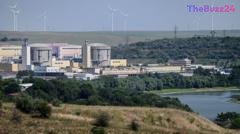
Romania Halts Sole Nuclear Plant as Historic Danube Drought Cripples Europe
Romania has taken the unprecedented step of halting operations at its only nuclear power facility due to severely depleted water levels in the Danube River, triggered by relentless summer heatwaves across the continent. The Cernavodă plant, which houses two reactors responsible for roughly 20 percent of the nation’s domestic electricity supply, was fully disconnected from the national power grid after emergency water-flow interventions failed to reverse the plunging levels.
Operators have indicated that the facility is unlikely to resume operations within the next ten days, compounding a broader regional energy crunch. While the plant’s dual 706-megawatt reactors rarely face shutdowns—having experienced only one previous stoppage in 2003—the compounding pressures of soaring temperatures and historic droughts have stretched European infrastructure to its limits. Neighboring Hungary has also expressed mounting concern over its own nuclear capacity situated along the same waterway, as water depths drop to unprecedented 30-year lows.
The energy shortfall caused by the shutdown is forcing regional grid managers to lean heavily on solar and wind generation during daylight hours, while relying on costly electricity imports and fossil-fuel backups for evening peaks. Furthermore, the crisis extends beyond energy production, severely impacting agricultural output, river transport, and hydroelectric generation across multiple European nations as climate scientists warn that the continent is warming at twice the global average.
Key Takeaways
- Romania's only nuclear power station, Cernavodă, was forced to shut down due to dangerously low water levels in the Danube River.
- The plant's reactors supply about 20% of the nation's electricity, forcing reliance on imports and alternative generation during the outage.
- Extreme heatwaves and severe droughts across Europe are pushing waterways to historic lows, impacting energy grids, agriculture, and transport.
Editor’s Analysis & Impact
The forced shutdown of Romania’s primary nuclear facility underscores the profound vulnerability of critical energy infrastructure to accelerating climate change. As European rivers reach multi-decade lows, utility operators face a dual crisis: maintaining adequate cooling water for thermal and nuclear power plants while simultaneously managing plummeting hydroelectric output. This structural stress on the energy sector threatens to drive up electricity costs, strain cross-border grid interconnections, and necessitate accelerated investments in climate-resilient engineering. Furthermore, the concurrent pressures on agriculture and commercial shipping along major waterways like the Danube and the Rhine highlight systemic economic risks that could dampen broader European economic growth forecasts for the fiscal year.
Frequently Asked Questions
Q: Why was the Cernavodă nuclear plant shut down?
A: The plant was shut down because prolonged hot weather caused historically low water levels in the Danube River, which is essential for cooling the facility's nuclear reactors.
Q: How much of Romania's electricity does the Cernavodă plant produce?
A: The facility produces approximately 20% of Romania's total electricity supply through its two reactors.
Q: When is the plant expected to restart?
A: Plant operators do not foresee a restart within the initial 10-day window following the shutdown, as recovery depends on river water levels returning to safe operational thresholds.
AI Disclosure: This article is based on verified data and official reports. Our Team and AI have cross-referenced every financial detail with primary sources to ensure total accuracy.
More from this Category