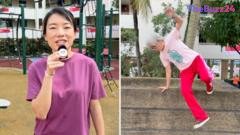
Ageless Motion: Singaporean Seniors Turn to Parkour to Boost Mobility and Community
In Singapore, a nation grappling with one of the world’s most rapidly aging populations, a group of seniors is redefining the concept of active aging by embracing the high-energy discipline of parkour. Moving beyond traditional low-impact exercises, these older adults are utilizing local playgrounds to navigate obstacles, jump, and climb, proving that physical agility is not reserved for the youth.
Led by coach Tan Shie Boon, the training sessions focus on functional movement patterns that enhance balance, coordination, and core strength. By engaging in these dynamic activities, participants are not only working to prevent common age-related injuries such as falls, but they are also building significant self-assurance. The practice encourages seniors to view their environment as a space for movement rather than a series of barriers.
Beyond the physical health benefits, the program has fostered a vibrant sense of community among the participants. The shared challenge of mastering new physical skills has created a supportive social network, helping to combat the isolation often associated with aging. As these seniors continue to push their boundaries, they are setting a new standard for how older generations can maintain independence and vitality through unconventional fitness methods.
Key Takeaways
- Seniors in Singapore are utilizing parkour to improve balance and prevent fall-related injuries.
- The training emphasizes functional movement and confidence-building under the guidance of professional instructors.
- The program serves as a social catalyst, helping to reduce feelings of isolation among the elderly population.
Editor’s Analysis & Impact
The adoption of parkour by the elderly demographic represents a significant shift in geriatric wellness strategies. By moving away from sedentary or strictly repetitive exercise routines, this approach addresses the critical need for proprioception and reactive strength, which are essential for fall prevention. From an industry perspective, this trend highlights a growing market for ‘active aging’ programs that prioritize cognitive engagement alongside physical exertion. As global populations continue to age, we can expect to see more unconventional fitness modalities integrated into public health initiatives. This shift not only reduces the long-term economic burden on healthcare systems by mitigating injury-related hospitalizations but also promotes a more positive, empowered narrative regarding aging in modern society.
Frequently Asked Questions
Q: Is parkour safe for seniors?
A: When practiced under the supervision of qualified coaches who tailor movements to individual physical capabilities, parkour can be a safe and effective way to improve balance and mobility.
Q: What are the primary health benefits of parkour for older adults?
A: The primary benefits include improved core strength, better spatial awareness, increased confidence, and a reduced risk of falls, which are a leading cause of injury in the elderly.
AI Disclosure: This article is based on verified data and official reports. Our Team and AI have cross-referenced every financial detail with primary sources to ensure total accuracy.
More from this Category