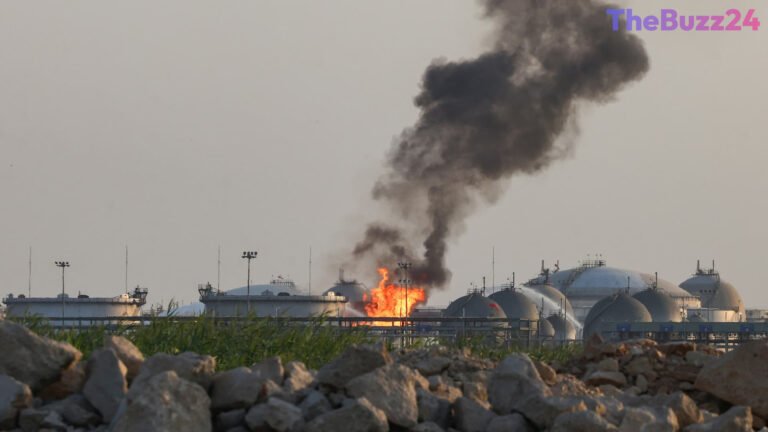
Escalating Drone Warfare: Ukraine and Russia Trade Devastating Cross-Border Strikes Targeting Infrastructure and Logistics
The conflict between Russia and Ukraine has intensified significantly, marked by a series of heavy aerial bombardments that have claimed lives and damaged critical infrastructure on both sides of the border. Recent Ukrainian drone operations targeted several Russian regions, resulting in at least nine fatalities and dozens of injuries. The border region of Belgorod bore the brunt of these attacks, while a separate drone strike in the southern Astrakhan region claimed the life of a civilian. Meanwhile, Ukrainian officials reported multiple casualties from Russian strikes in the eastern Donetsk and northeastern Sumy regions, highlighting the relentless nature of the cross-border hostilities.
A key focus of Ukraine’s recent strategy has been disrupting Russian supply chains, specifically targeting the logistics network of Wildberries, Russia’s largest online retailer. Ukrainian intelligence officials defended these operations, asserting that the e-commerce giant’s facilities are utilized by the Russian military to transport equipment and components. According to defense officials, recent strikes have successfully disabled seven of the ten largest Wildberries distribution hubs. Conversely, Russian forces have focused their efforts on Ukrainian industrial and energy infrastructure, launching repeated strikes against facilities operated by the state energy company Naftogaz, as well as manufacturing plants producing drone and missile components.
The scale of the aerial warfare has reached unprecedented levels. Over a single weekend, Ukraine deployed hundreds of drones in a massive wave aimed at targets deep within Russian territory, including the Moscow region. In response, Russia unleashed a barrage of guided aerial bombs, missiles, and attack drones across thirteen Ukrainian regions. While both nations maintain that they do not deliberately target civilian populations, the collateral damage continues to mount, with residential areas, local markets, and civilian vessels in the Black Sea port of Odesa suffering severe damage.
Key Takeaways
- Ukraine has systematically targeted the logistics infrastructure of Russian e-commerce giant Wildberries, claiming to have disabled 70% of its major distribution centers.
- Russia has intensified its bombardment of Ukrainian energy infrastructure, striking Naftogaz facilities 13 times in a single week.
- Both nations have launched historically large drone and missile campaigns, resulting in rising civilian casualties and widespread damage to non-military sites.
Editor’s Analysis & Impact
The transition of the Russia-Ukraine conflict into a high-frequency, long-range drone war marks a critical strategic shift. By targeting Wildberries logistics hubs, Ukraine is attempting to choke dual-use civilian-military supply chains, demonstrating a sophisticated understanding of modern hybrid warfare. However, this strategy risks further economic disruption and retaliatory strikes on Ukrainian soil. Russia’s persistent targeting of Naftogaz facilities highlights a calculated effort to degrade Ukraine’s energy resilience ahead of high-demand seasons. As both sides scale up domestic drone production and deploy thousands of unmanned aerial vehicles weekly, the conflict is increasingly defined by technological attrition. For global markets, the continued instability in Black Sea shipping corridors and the targeting of commercial infrastructure signal prolonged volatility in energy and trade sectors.
Frequently Asked Questions
Q: Why is Ukraine targeting Wildberries warehouses?
A: Ukrainian intelligence asserts that the Russian military utilizes the commercial logistics network of Wildberries, Russia's largest online retailer, to transport military equipment and components.
Q: What impact have the recent strikes had on Ukraine's energy sector?
A: Russian forces have heavily targeted Ukraine's energy infrastructure, including 13 separate strikes on facilities belonging to the state-run energy company Naftogaz within a single week.
Q: How massive was the recent drone exchange?
A: The aerial campaign has reached historic levels, with Ukraine launching over 800 drones in a single night toward Russia, while Russia deployed over 1,500 attack drones and guided bombs against Ukraine over the course of a week.
AI Disclosure: This article is based on verified data and official reports. Our Team and AI have cross-referenced every financial detail with primary sources to ensure total accuracy.
More from this Category