Indonesia Earthquake Crisis: Survivors Face Food Shortages and Hospital Collapses on Flores Island
A powerful 7.7-magnitude earthquake that struck the Indonesian island of Flores has triggered a severe humanitarian crisis, leaving at least 68 people dead and thousands displaced. The disaster has severely impacted local infrastructure, destroying hospitals, schools, and homes, while persistent aftershocks continue to terrify survivors who are now forced to sleep outdoors in makeshift tents.
Medical facilities across the island have been crippled. At the Dampek Health Centre, the sole attending physician reported being completely overwhelmed as continuous streams of casualties arrived without interruption. Major regional facilities, such as the Ruteng Regional General Hospital, have seen their operations paralyzed due to roof collapses and structural damage, rendering vital areas like operating rooms and pharmacies defunct. Meanwhile, blocked roads and severe landslides have completely isolated remote communities like Nitung Village on Palue Island, cutting off electricity, communication lines, and essential supplies for days.
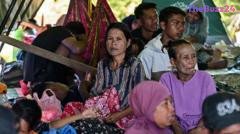
Displaced residents are battling hunger, sweltering days, and frigid nights on the hillsides and makeshift camps, fearing further structural collapses from ongoing tremors. Although search-and-rescue teams and regional medical personnel are navigating treacherous, debris-choked roads to deliver aid, local officials and residents have criticized the initial response speed, citing severe budget constraints and logistical hurdles. Doctors on the ground have resorted to social media appeals, desperately calling for volunteer medical staff and urgent shipments of medicine as dwindling supplies threaten the survival of the island’s most vulnerable populations.
Key Takeaways
- A 7.7-magnitude earthquake struck Flores Island, Indonesia, causing at least 68 deaths and displacing around 5,000 residents.
- Hospitals and health clinics suffered catastrophic structural damage, forcing medical staff to treat patients in outdoor tents with rapidly diminishing supplies.
- Landslides and blocked access roads isolated remote communities like Nitung Village, severely delaying the delivery of food, clean water, and emergency aid.
Editor’s Analysis & Impact
The devastating earthquake on Flores Island highlights the persistent structural vulnerabilities of disaster response in archipelagic nations prone to seismic activity. Beyond the immediate humanitarian toll of lost lives and mass displacement, the incident underscores critical supply chain bottlenecks and infrastructural fragility in rural healthcare. When regional hospitals and local health centers are simultaneously incapacitated, the strain on emergency medical services exposes the limitations of rapid-deployment protocols under severe geographical constraints. Moving forward, regional governments and disaster management agencies will need to heavily invest in decentralized emergency stockpiles, earthquake-resistant public infrastructure, and resilient communication networks to prevent isolated communities from falling through the cracks during the critical initial window of disaster response.
Frequently Asked Questions
Q: What caused the humanitarian crisis on Flores Island?
A: A shallow 7.7-magnitude earthquake struck the Indonesian island, causing widespread destruction of homes, hospitals, and infrastructure, which was further compounded by landslides blocking aid routes.
Q: How many people have been affected by the disaster?
A: At least 68 people have been killed and approximately 5,000 residents have been displaced, seeking refuge in makeshift outdoor shelters due to ongoing aftershocks.
Q: What are the primary needs of the survivors right now?
A: Survivors urgently require basic necessities such as clean water, food supplies, emergency shelter tents, and medical personnel along with restocking of depleted medicines.
AI Disclosure: This article is based on verified data and official reports. Our Team and AI have cross-referenced every financial detail with primary sources to ensure total accuracy.
More from this Category