Capturing the Corona: A Multi-Perspective Look at the August 2026 Solar Eclipse
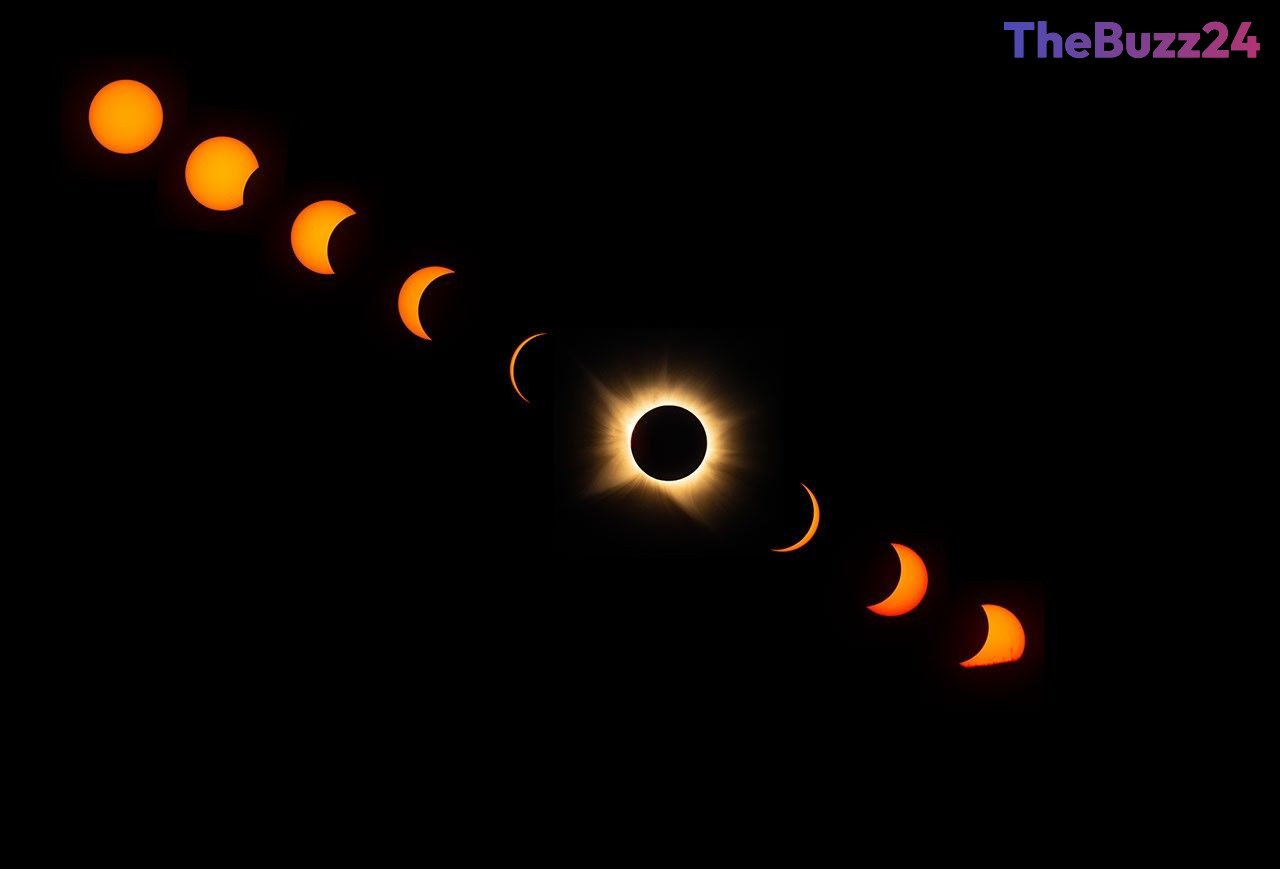
On August 12, 2026, a total solar eclipse swept across parts of Greenland, Iceland, and Spain, offering a rare opportunity for researchers to study the Sun’s outer atmosphere, known as the corona. As the Moon obscured the Sun, teams deployed a variety of observational tools ranging from ground-based cameras to high-altitude research jets and scientific balloons. These efforts aimed to capture high-resolution imagery of the corona and solar prominences—plumes of electrically charged gas—to better understand the magnetic forces governing the Sun.
The observation campaign utilized a diverse array of vantage points. While ground teams in Spain and Iceland documented the event, a WB-57F research jet flew at 50,000 feet to extend the duration of the eclipse observation. Simultaneously, students involved in the Nationwide Eclipse Ballooning Project launched instruments into the upper atmosphere to measure how the sudden drop in solar light and heat influenced atmospheric conditions. These balloon-borne sensors successfully gathered data even in locations where cloud cover hindered ground-based photography.
Beyond terrestrial and aerial efforts, the event was documented from space. The International Space Station provided a unique perspective, with astronauts capturing the partial eclipse from orbit. Additionally, observers in Maine were able to photograph the space station itself as it transited the partially eclipsed Sun. Scientists are now beginning the process of analyzing the massive influx of data and imagery collected during the event, which will be used to refine solar models and improve predictions for future celestial phenomena, including the upcoming total solar eclipse expected in 2027.
Key Takeaways
- The August 2026 total solar eclipse provided a comprehensive dataset on the Sun's corona using ground, air, and space-based observation platforms.
- High-altitude research jets and student-led balloon projects successfully captured solar data despite localized weather challenges like cloud cover.
- Data collected from this event will be used to refine solar models and prepare for the next major total solar eclipse occurring in August 2027.
Editor’s Analysis & Impact
The 2026 solar eclipse represents a significant milestone in heliophysics, demonstrating the efficacy of multi-modal observation strategies. By integrating data from sub-orbital jets, space-based platforms, and balloon-borne sensors, the scientific community has moved beyond simple photography toward a more granular understanding of solar dynamics. The ability to compare real-time observations against pre-eclipse supercomputer predictions from groups like Predictive Science Inc. is particularly vital; it validates current computational models and enhances our predictive capabilities for space weather. As solar activity fluctuates, these findings have broader implications for protecting satellite infrastructure and power grids from solar storms. The successful coordination of these diverse teams sets a high standard for the upcoming 2027 eclipse, which will offer an even longer window for study and further solidify our grasp of the Sun’s complex magnetic environment.
Frequently Asked Questions
Q: Why is it important to study the solar corona during an eclipse?
A: The corona is the Sun's outer atmosphere, and it is usually obscured by the Sun's intense brightness. An eclipse allows scientists to study its structure, temperature, and magnetic activity, which are essential for understanding solar storms that can impact Earth.
Q: When is the next total solar eclipse expected to occur?
A: The next major total solar eclipse is scheduled for August 2, 2027, and will be visible from parts of southern Spain and northern Africa.
AI Disclosure: This article is based on verified data and official reports. Our Team and AI have cross-referenced every financial detail with primary sources to ensure total accuracy.
More from this Category