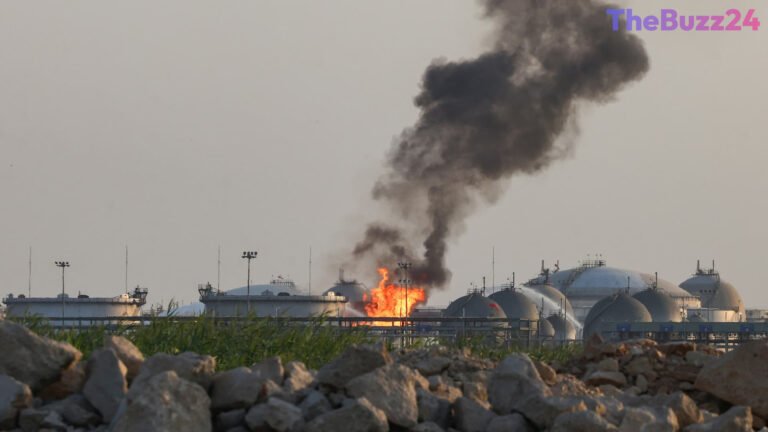
Coordinated Arson Wave Strikes Southern Thailand in Major Security Breach
A series of over 50 coordinated arson and incendiary attacks swept through Thailand’s southern border provinces late Saturday, marking a significant escalation in the region’s long-standing insurgency. The attacks, which occurred between 8:00 p.m. and midnight, targeted critical infrastructure, including telecommunication towers, a local government office, and a convenience store. Military officials confirmed that the strikes were designed to sow instability across the provinces of Narathiwat, Yala, and Pattani.
At least two individuals were reported injured following an explosion in the Muang district of Narathiwat. In response to the widespread violence, authorities implemented a temporary overnight curfew in the affected area, which was subsequently lifted on Sunday morning. Security forces have issued warnings to local residents, urging them to exercise extreme caution and avoid interacting with any suspicious objects that may have been left behind during the chaos.
While no organization has officially claimed responsibility for the attacks, the region has been plagued by a low-level conflict since 2004. Rebels in the Muslim-majority south have been fighting for greater autonomy from the Buddhist-majority nation, a struggle that has claimed over 7,000 lives to date. The Barisan Revolusi Nasional is widely considered the primary group driving the insurgency, though peace negotiations facilitated by Malaysia have struggled to gain traction due to political instability and internal divisions.
The timing of these attacks is particularly notable, as government officials are preparing for a high-level visit to the region next week. Prime Minister Anutin Charnvirakul and his cabinet are expected to travel to Hat Yai to address regional investment, flood mitigation, and security concerns. Historically, insurgents have utilized such high-profile visits as opportunities to demonstrate their reach and disrupt government operations.
Key Takeaways
- More than 50 coordinated arson attacks targeted infrastructure across three southern Thai provinces.
- The violence occurred ahead of a planned visit by the Thai Prime Minister and his cabinet to discuss regional security and development.
- The region has faced a persistent insurgency since 2004, with over 7,000 casualties recorded in the struggle for autonomy.
Editor’s Analysis & Impact
The recent wave of coordinated attacks in southern Thailand represents a strategic attempt to undermine government authority and signal the continued potency of separatist movements. By targeting telecommunications and government infrastructure, the perpetrators aim to disrupt regional connectivity and project a sense of vulnerability ahead of high-level political visits. This escalation poses a significant challenge to the current administration’s efforts to foster economic development and flood prevention in the south. The stalled peace process, exacerbated by political turnover in Bangkok, suggests that a diplomatic resolution remains distant. Moving forward, the government will likely face increased pressure to bolster security measures, which may inadvertently complicate efforts to build trust with local populations and further delay the resumption of meaningful peace dialogues.
Frequently Asked Questions
Q: What is the primary cause of the conflict in southern Thailand?
A: The conflict is rooted in a long-standing struggle for greater autonomy by rebels in the Muslim-majority southern provinces against the central government of Buddhist-majority Thailand.
Q: Have any groups claimed responsibility for the recent arson attacks?
A: No, as of now, no specific group has claimed responsibility for the coordinated attacks that took place on Saturday night.
AI Disclosure: This article is based on verified data and official reports. Our Team and AI have cross-referenced every financial detail with primary sources to ensure total accuracy.
More from this Category