The Looming Battle: U.S. Auto Industry Braces for Potential Chinese Market Entry
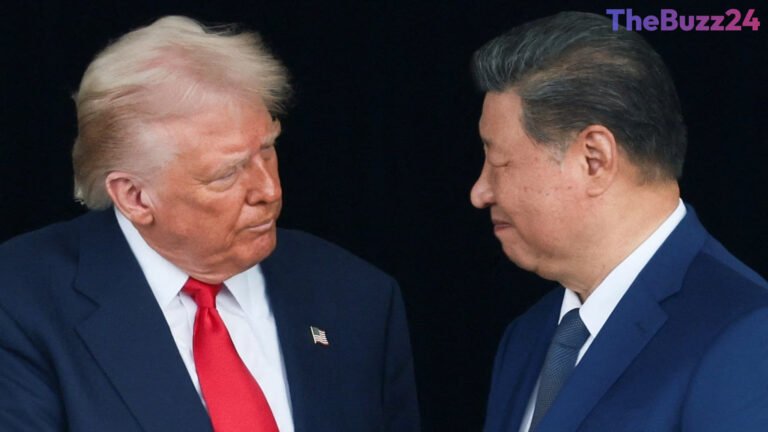
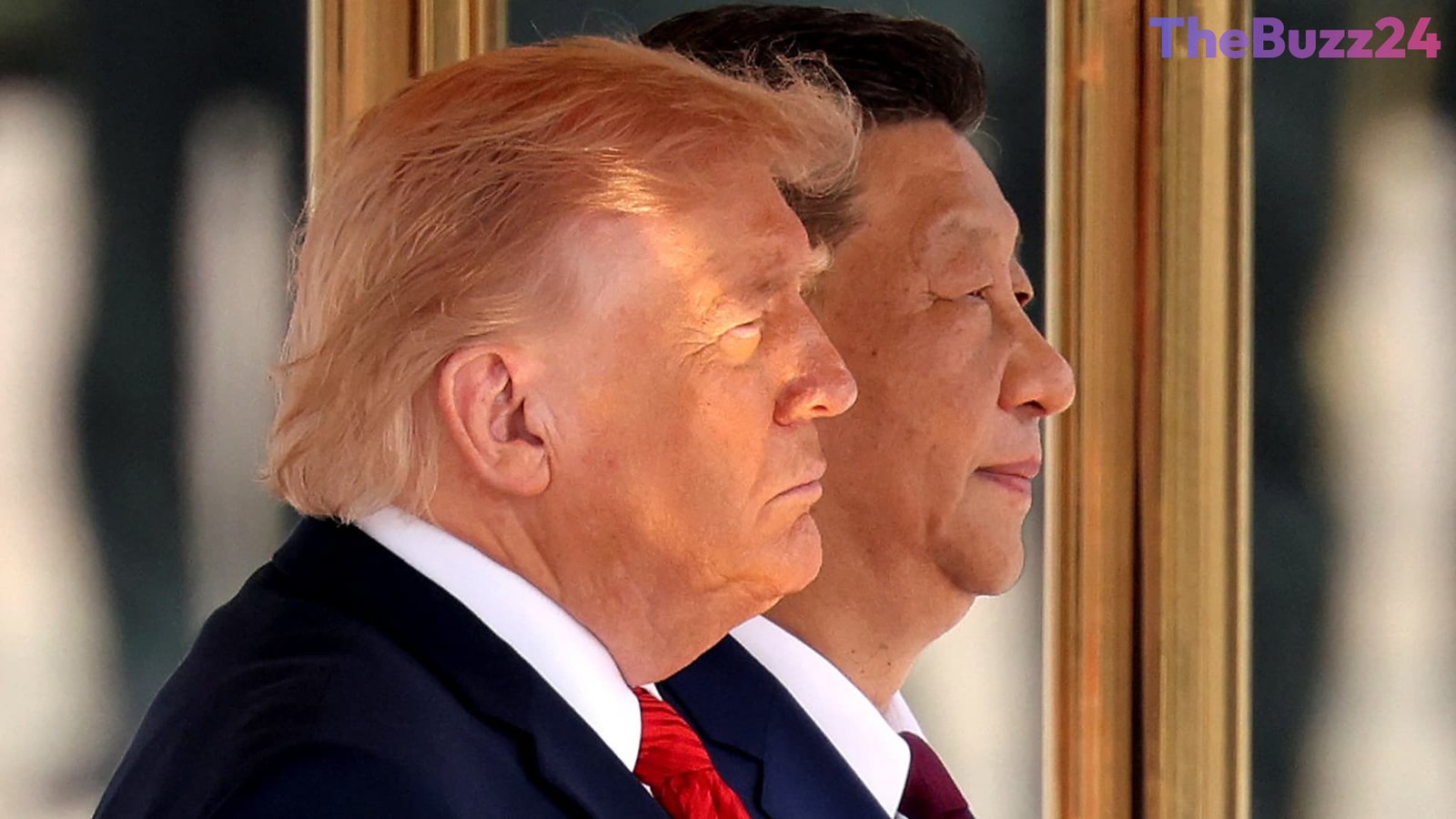
As President Donald Trump prepares to host Chinese President Xi Jinping for high-level talks, the American automotive sector is sounding a unified alarm regarding the potential entry of Chinese automakers into the U.S. market. Industry leaders, labor advocates, and a bipartisan coalition of lawmakers are urging the administration to maintain strict barriers, fearing that an influx of subsidized Chinese vehicles could destabilize domestic manufacturing and undermine the nation’s industrial base.
Concerns have intensified following suggestions that the administration might be open to Chinese automakers operating within the U.S. if they commit to domestic production. However, trade groups representing major manufacturers, suppliers, and dealers argue that such a move would be a strategic error. Critics point to the rapid expansion of Chinese brands in Europe and South America, where government-backed pricing strategies have allowed companies like BYD and Geely to capture significant market share, often at the expense of local competitors.
Industry experts note that the Chinese automotive sector is currently grappling with intense domestic price wars and overcapacity, making the lucrative U.S. market a critical target for survival. With high-profile executives from companies like BYD and CATL potentially joining the delegation for the upcoming state dinner, the stakes for the American manufacturing landscape have never been higher. Lawmakers emphasize that this is not merely a trade dispute but a matter of national security and economic sovereignty, arguing that the U.S. must protect its ability to maintain a robust, independent manufacturing pipeline.
As global competition shifts, major players like Nissan and other international manufacturers are already feeling the pressure of competing against state-subsidized entities. The consensus among many analysts is that the aggressive export strategy employed by China represents a fundamental shift in global trade dynamics, one that requires a cautious and protective approach to ensure the long-term viability of the American automotive industry.
Key Takeaways
- U.S. automakers and bipartisan lawmakers are pushing to keep Chinese manufacturers out of the American market to protect domestic production.
- Chinese automakers are aggressively expanding globally, leveraging heavy government subsidies to undercut competitors in Europe and South America.
- The potential for Chinese firms to establish U.S. operations is being viewed as a significant threat to the long-term stability of the American manufacturing base.
Editor’s Analysis & Impact
The potential entry of Chinese automakers into the U.S. market represents a pivotal moment for global industrial policy. Unlike the historical entry of Japanese or South Korean manufacturers, which competed primarily on quality and efficiency, Chinese firms are currently operating under a model of heavy state subsidization and aggressive export-led growth to offset domestic overcapacity. This creates an uneven playing field that threatens to hollow out Western manufacturing hubs. If the U.S. government chooses to allow these companies to operate domestically, it will likely trigger a massive shift in supply chain dependencies and labor dynamics. The long-term implication is a potential ‘decoupling’ of the automotive sector, where the U.S. must decide between the benefits of lower consumer prices and the strategic necessity of maintaining an autonomous, domestic industrial capacity.
Frequently Asked Questions
Q: Why are U.S. lawmakers concerned about Chinese automakers entering the market?
A: Lawmakers fear that Chinese automakers, which are heavily subsidized by their government, will use aggressive pricing to undercut U.S. manufacturers, potentially leading to job losses and a weakened domestic industrial base.
Q: How have Chinese automakers performed in other international markets?
A: Chinese brands have seen rapid growth in Europe and South America, with market share in Europe rising from near-zero in 2020 to 12% by August 2025, largely due to competitive pricing and government support.
AI Disclosure: This article is based on verified data and official reports. Our Team and AI have cross-referenced every financial detail with primary sources to ensure total accuracy.
More from this Category