Geopolitical Balancing Act: Trump and Xi Face Off Amid Shifting Global Alliances
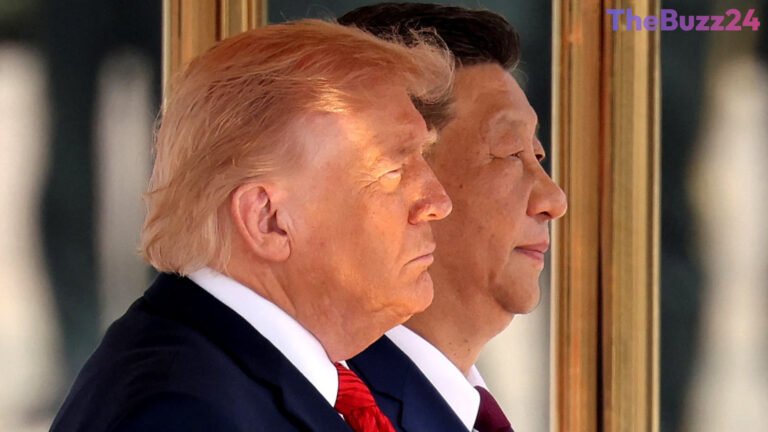
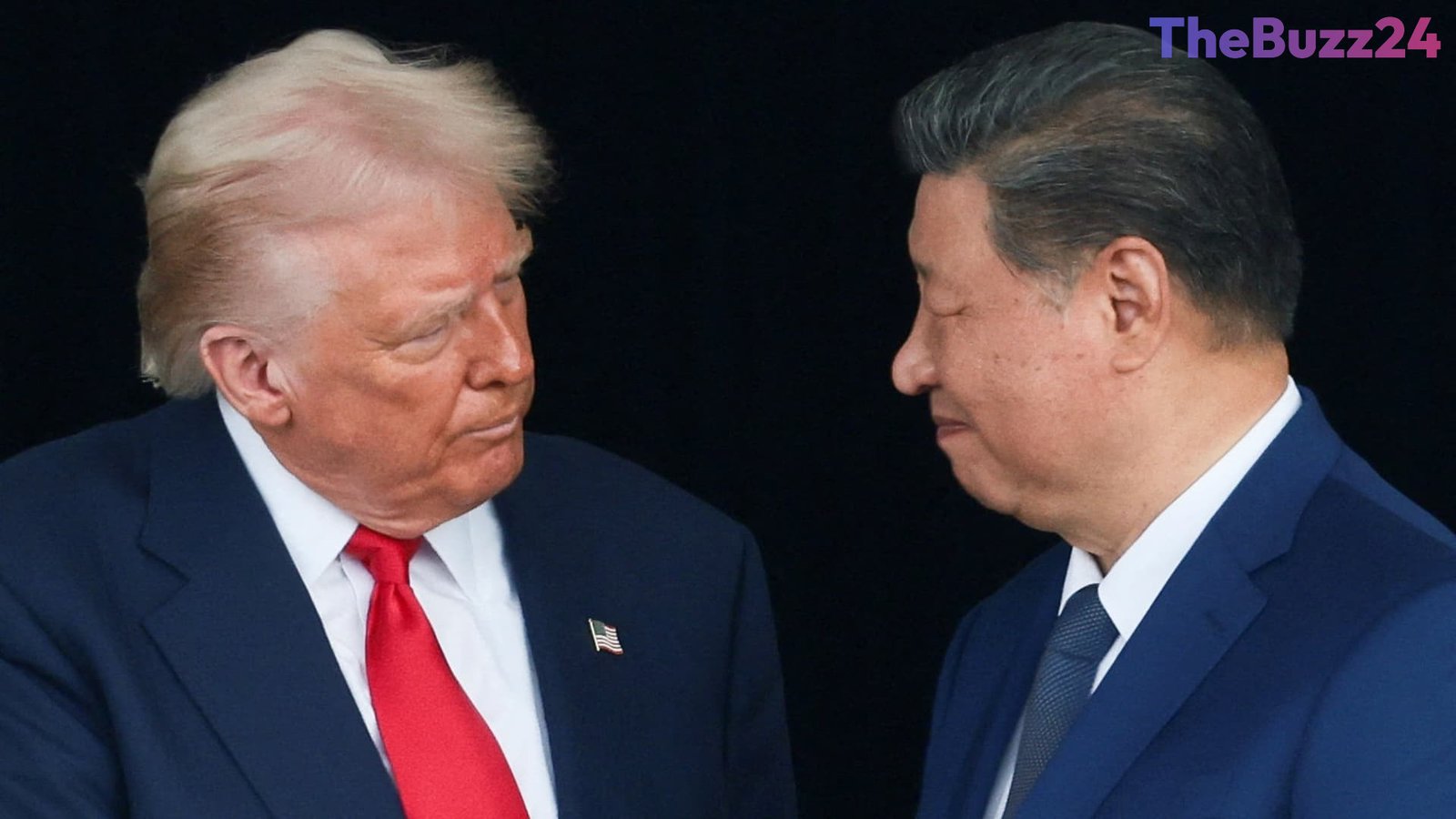
As President Donald Trump prepares for a high-stakes summit with Chinese President Xi Jinping, the geopolitical landscape has shifted significantly. The U.S. administration is finding that its traditional strategy of isolating China is becoming increasingly difficult to execute. While Washington maintains significant advantages through its technological dominance and established defense networks, the willingness of international allies to align with U.S. policy has noticeably waned. Public confidence in the U.S. as a reliable partner has plummeted in key nations, including Canada and Germany, creating a vacuum that Beijing is actively working to fill.
China has successfully leveraged its economic influence to complicate U.S. efforts, most notably through its control over the global supply chain for rare earth elements. By imposing export controls on these critical materials, Beijing has demonstrated a capacity to disrupt Western industries, forcing a recalibration of power dynamics. Furthermore, China’s record-breaking trade surplus and its ability to maintain diplomatic and economic ties with nations that are traditionally wary of Washington—such as India—suggest that the global order is moving toward a less binary structure where countries are increasingly seeking to maneuver between the two superpowers.
This summit serves as a critical test for the current U.S. approach to foreign policy. With the expiration of a key trade truce looming and ongoing tensions regarding Taiwan and semiconductor access, the administration faces a complex bargaining environment. Observers note that the lack of a unified front among democratic nations has lowered the cost for other countries to defy U.S. directives. As Trump and Xi meet, the outcome will likely hinge on whether the U.S. can effectively leverage its remaining strengths or if the erosion of its coalition-based power will grant Beijing the diplomatic space it seeks to solidify its global standing.
Key Takeaways
- U.S. influence is being challenged by a decline in public trust among traditional allies, making it harder to maintain a unified front against China.
- China has successfully utilized its dominance in rare earth mineral production as a strategic pressure point against Western economic interests.
- The global geopolitical landscape is shifting toward a multipolar environment where nations are increasingly avoiding binary choices between Washington and Beijing.
Editor’s Analysis & Impact
The upcoming summit highlights a pivotal transition in international relations, moving away from the post-Cold War era of U.S.-led hegemony toward a more fragmented, transactional global order. The administration’s ‘America First’ approach has inadvertently accelerated this shift, as allies prioritize their own economic stability over alignment with U.S. containment strategies. The market implications are profound: supply chain volatility, particularly in the tech and green energy sectors, will likely persist as critical minerals become permanent fixtures of geopolitical leverage. Looking ahead, the ability of the U.S. to maintain its technological edge will depend less on unilateral restrictions and more on its capacity to rebuild the coalition-based trust that has historically amplified its global influence. Failure to do so may result in a permanent loss of strategic maneuverability in the Indo-Pacific and beyond.
Frequently Asked Questions
Q: Why is China's control of rare earth elements a concern for the U.S.?
A: China controls a vast majority of the global mining and refining of rare earth elements, which are essential for high-tech manufacturing, including semiconductors and electric vehicle batteries. By restricting exports, China can create supply chain bottlenecks that force other nations to negotiate on its terms.
Q: How has the U.S. relationship with traditional allies changed recently?
A: Public confidence in the U.S. as a reliable partner has declined significantly in several allied countries due to trade disputes, disagreements over defense spending, and a perceived shift toward more transactional, less collaborative foreign policy.
AI Disclosure: This article is based on verified data and official reports. Our Team and AI have cross-referenced every financial detail with primary sources to ensure total accuracy.
More from this Category