Astronomers Uncover Evidence of ‘Second-Generation’ Planet Orbiting Dead Star
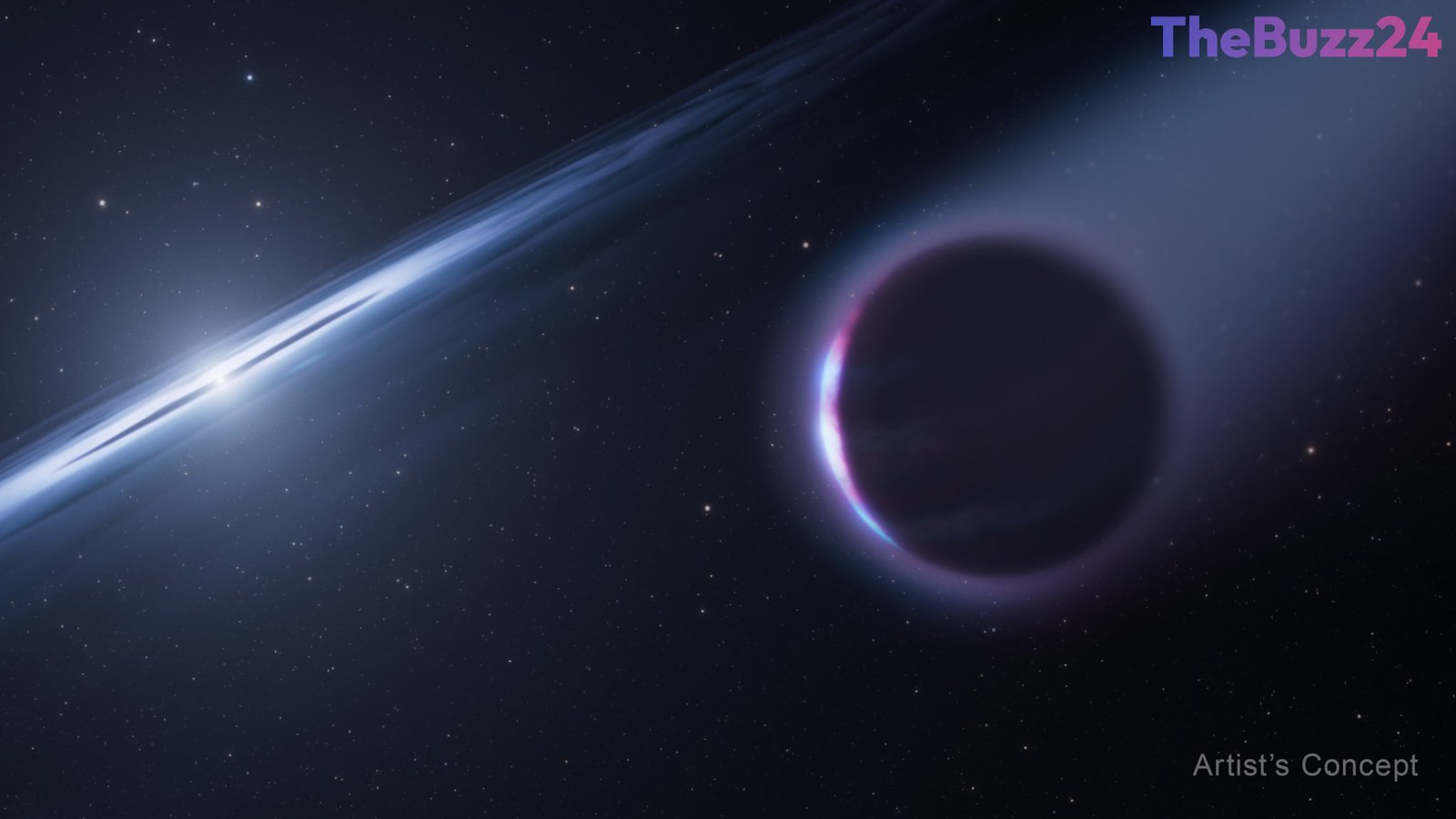
A team of astronomers has successfully identified a unique chemical signature surrounding the white dwarf star HS 0209+0832, providing compelling evidence for the existence of a second-generation planet. By analyzing data captured by the Hubble Space Telescope, researchers were able to piece together a cosmic puzzle that suggests this planet formed long after the host star had exhausted its nuclear fuel.
White dwarfs represent the final evolutionary stage of stars similar to our sun, occurring after the star has shed its outer layers of gas and dust into the surrounding space. While most planets form concurrently with their host stars, this specific discovery points to a rare phenomenon where a new planetary body coalesces from the debris left behind by the dying star. This process results in a chemical composition that is distinct from planets formed during the initial birth of a solar system.
This finding offers a significant breakthrough in understanding the life cycles of planetary systems. By studying the chemical makeup of the material orbiting HS 0209+0832, scientists can better grasp how planetary formation can occur in the aftermath of a stellar death. This discovery not only challenges previous assumptions about the longevity of planetary systems but also opens new avenues for exploring how matter is recycled in the universe.
Key Takeaways
- Astronomers identified a second-generation planet orbiting the white dwarf star HS 0209+0832.
- Unlike traditional planets, this body formed from the gas and dust shed by the star during its final evolutionary phase.
- The discovery provides new insights into how planetary systems can regenerate or form after a star has exhausted its nuclear fuel.
Editor’s Analysis & Impact
The discovery of a second-generation planet around a white dwarf is a transformative moment for astrophysics, as it demonstrates that planetary formation is not strictly limited to the early stages of a star’s life. This finding suggests that the universe may be far more dynamic than previously understood, with the potential for ‘recycled’ planetary systems to emerge from the remnants of stellar death. From an industry perspective, this underscores the critical importance of high-resolution space-based observatories like Hubble in identifying subtle chemical anomalies. Looking ahead, this research will likely shift the focus of exoplanet surveys toward older, dead star systems, potentially expanding the search for habitable environments in unexpected corners of the galaxy. It also raises profound questions about the chemical evolution of the cosmos and the long-term stability of planetary debris disks.
Frequently Asked Questions
Q: What is a white dwarf star?
A: A white dwarf is the dense, cooling core of a star that has burned through all of its nuclear fuel and shed its outer layers into space.
Q: How is a second-generation planet different from a regular planet?
A: A second-generation planet forms from the debris and gas released by a dying star, whereas a regular planet forms at the same time as its host star from a primordial cloud of gas and dust.
AI Disclosure: This article is based on verified data and official reports. Our Team and AI have cross-referenced every financial detail with primary sources to ensure total accuracy.
More from this Category