Capturing the Aurora Australis: A Rare Glimpse of the Southern Lights from Space
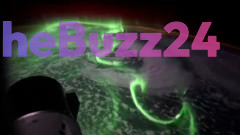
The Southern Lights, or Aurora Australis, remain one of the most elusive natural spectacles on Earth. While they occur with the same frequency as their northern counterpart, the Aurora Borealis, they are significantly less documented due to the remote, sparsely populated regions surrounding the South Pole. Recent orbital footage has provided a rare, high-definition look at these shimmering waves of color, offering a unique perspective on the phenomenon from above the atmosphere.
These luminous displays are the result of complex interactions between the Sun and Earth’s magnetic field. As charged solar particles are funneled toward the planet’s poles, they collide with atmospheric gases, ionizing them and creating the vibrant, dancing curtains of light that define the aurora. Because these events are concentrated near the Antarctic, they are rarely witnessed by human eyes, making space-based observations vital for scientific study and public appreciation.
Advancements in imaging technology from space stations and satellite arrays are now allowing researchers to better understand the intensity and frequency of these polar displays. By capturing these events in real-time, scientists can gain deeper insights into space weather patterns and the protective capabilities of the Earth’s magnetosphere. This visual data not only serves as a breathtaking reminder of our planet’s natural beauty but also underscores the importance of monitoring solar activity that could potentially impact global communication and power infrastructure.
Key Takeaways
- The Aurora Australis occurs as frequently as the Northern Lights but is rarely seen due to the remote nature of the South Pole.
- Auroras are created when charged solar particles collide with Earth's atmosphere, guided by the planet's magnetic field.
- Space-based imaging is essential for studying these phenomena and understanding their impact on Earth's magnetosphere.
Editor’s Analysis & Impact
The study of auroral activity is becoming increasingly critical as our reliance on satellite-based technology grows. While the visual beauty of the Southern Lights is undeniable, the underlying solar interactions that trigger these events can pose risks to global telecommunications, GPS systems, and power grids. As we enter periods of higher solar activity, the ability to monitor these atmospheric reactions from space provides a dual benefit: it advances our fundamental understanding of planetary physics and serves as a diagnostic tool for space weather forecasting. Future missions focusing on high-latitude atmospheric monitoring will likely yield more data on how solar winds interact with our magnetic shield, potentially leading to better mitigation strategies for technological disruptions caused by geomagnetic storms.
Frequently Asked Questions
Q: Why are the Southern Lights harder to see than the Northern Lights?
A: The Southern Lights occur primarily over Antarctica and the surrounding Southern Ocean, where there are very few human settlements, making them much less accessible to observers compared to the Northern Lights.
Q: What causes the colors seen in an aurora?
A: The colors are produced when charged particles from the Sun collide with different gases in Earth's atmosphere at high altitudes, causing the gases to glow.
AI Disclosure: This article is based on verified data and official reports. Our Team and AI have cross-referenced every financial detail with primary sources to ensure total accuracy.
More from this Category