Devastating Fire Leaves Thousands Homeless in Sabah Coastal Village
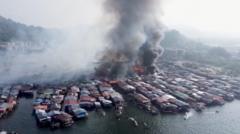
A massive inferno tore through a coastal water village in Sabah, Malaysia, this past Sunday, resulting in the total destruction of approximately 1,000 homes. The rapid spread of the fire, fueled by strong winds and the densely packed nature of the wooden structures, left an estimated 9,000 residents displaced and without shelter. Many families were forced to evacuate their stilt-based homes with little to no notice, losing nearly all of their personal belongings in the process.
Despite the scale of the destruction, local emergency services have reported that there were no fatalities or injuries. This outcome is being described as a miracle, given the high density of the settlement and the speed at which the fire consumed the wooden infrastructure. In the wake of the disaster, government agencies and various relief organizations have mobilized to provide immediate humanitarian aid, including food, water, and temporary housing for the thousands of displaced individuals.
Firefighting operations were significantly hampered by the unique geography of the village. The narrow, interconnected walkways and the remote, stilt-based layout prevented heavy emergency vehicles from accessing the center of the blaze. These structural limitations, combined with high winds, allowed the fire to jump easily between homes. Authorities are currently conducting a thorough damage assessment while coordinating long-term recovery efforts to address the massive housing crisis created by the event.
Key Takeaways
- A major fire in Sabah, Malaysia, destroyed roughly 1,000 homes built on stilts.
- Approximately 9,000 people have been displaced, though no casualties were reported.
- Emergency response efforts were severely hindered by the village's narrow infrastructure and high-wind conditions.
Editor’s Analysis & Impact
The destruction of this coastal village highlights the extreme vulnerability of informal, high-density stilt settlements to fire hazards. From an infrastructure perspective, these communities often lack the fire-suppression systems and emergency access routes required to contain localized blazes before they become catastrophic. This event will likely trigger a broader policy discussion in Malaysia regarding urban planning, fire safety regulations for water-based settlements, and the need for more resilient housing designs in coastal regions. Economically, the displacement of 9,000 people places a sudden, heavy burden on local government resources and social services. Moving forward, the focus will shift from immediate disaster relief to the complex challenge of rebuilding, which must balance the cultural significance of these traditional water villages with the urgent need for modern safety standards and fire-resistant materials.
Frequently Asked Questions
Q: Were there any casualties reported in the Malaysia fire?
A: No, authorities have confirmed that there were no fatalities or injuries resulting from the fire.
Q: Why was it difficult for firefighters to control the blaze?
A: The village's structure, consisting of narrow walkways and wooden homes on stilts, made it impossible for heavy firefighting equipment to reach the heart of the fire, while strong winds caused the flames to spread rapidly.
AI Disclosure: This article is based on verified data and official reports. Our Team and AI have cross-referenced every financial detail with primary sources to ensure total accuracy.
More from this Category