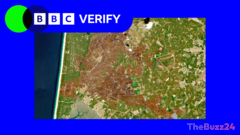
Europe’s Landscapes Scarred: Satellite Views Reveal Devastating Impact of Record Heatwaves
Europe’s landscapes bear the stark imprint of a summer marked by unprecedented heat, with satellite imagery now offering a sobering perspective on the continent’s environmental transformation. Successive heatwaves since May have left a trail of shrunken glaciers, parched fields, and diminished river levels across western Europe, painting a vivid picture of climate change’s accelerating effects. Even iconic landmarks, such as the Palace of Versailles near Paris, appear as isolated green oases amidst vast expanses of browned earth.
The severity of the situation is underscored by data confirming western Europe experienced its hottest June-to-July period on record. This extreme weather, primarily driven by persistent high-pressure systems, has been exacerbated by decades of rising average temperatures attributed to climate change and the burning of fossil fuels, making such intense and prolonged hot spells increasingly common. The visible consequences range from critical infrastructure challenges to significant ecological shifts.
Major waterways like the Danube, Europe’s second-longest river, have seen water levels drop to three-decade lows in several nations, revealing historical artifacts such as mammoth bones in Bulgaria and a sunken World War II warship in Serbia. This reduction in flow has also impacted energy production, forcing nuclear power stations in Hungary and Romania to operate at reduced capacity due to insufficient cooling water. Similarly, the Rhine has experienced stranded cargo vessels and cancelled river cruises, disrupting vital transport routes.
The Alps, typically a bastion of snow and ice, have not been spared. This summer is projected to be one of the worst on record for glacial melt, following a mild winter that left glaciers with less protective snow cover. An early heatwave in May further accelerated melting, exposing ice to subsequent high temperatures. For instance, the Rhône Glacier in Switzerland has visibly retreated by 50 meters or more in just one year. Experts warn that if current trends of reduced winter snow and increased summer melt persist, the future for Alpine glaciers is dire.
Wildfires have also ravaged vast areas, particularly in France, which has endured its worst year on record with over 90,000 hectares burned. The Gironde region alone saw approximately 42,000 hectares consumed by flames. The tinder-dry conditions, a direct consequence of higher temperatures drying out vegetation and soils faster, are creating ideal environments for extreme wildfires to become more frequent. Satellite data reveals a striking browning of land across France, the UK, and western Germany, indicating widespread water stress. This widespread desiccation poses a significant threat to the agricultural industry and food production, with some experts cautioning that even a return of rain may not reverse all the damage already inflicted on crops and soil moisture levels.
Key Takeaways
- Satellite imagery reveals widespread environmental degradation across Europe due to record heatwaves, including shrunken glaciers, parched land, and critically low river levels.
- Major rivers like the Danube and Rhine have been severely impacted, disrupting shipping, energy production, and revealing historical artifacts.
- Wildfires have devastated vast areas, particularly in France, while Alpine glaciers are experiencing unprecedented melt, driven by climate change and creating tinder-dry conditions.
Editor’s Analysis & Impact
The visible impacts of Europe’s record heatwaves underscore the escalating urgency of climate change. The widespread environmental degradation, from retreating glaciers to parched agricultural lands and disrupted waterways, signals profound economic and social ramifications. Industries reliant on water, such as agriculture, energy production, and transportation, face immediate operational challenges and long-term sustainability threats. The potential for reduced crop yields and increased food prices could fuel inflation and food insecurity. Furthermore, the increased frequency and intensity of wildfires strain emergency services and devastate ecosystems. This situation highlights the critical need for robust climate adaptation strategies and accelerated efforts to reduce fossil fuel dependency, as the current trajectory points towards a future of heightened environmental instability and economic vulnerability across the continent.
Frequently Asked Questions
Q: What are the main visible impacts of the recent European heatwaves?
A: Satellite images show shrunken glaciers in the Alps, widespread browning of vegetation due to drought and wildfires, and significantly lower water levels in major rivers like the Danube and Rhine.
Q: How has the heat affected Europe's rivers and energy production?
A: Rivers have reached historic lows, disrupting cargo shipping and river cruises. Nuclear power stations in some regions have been forced to reduce capacity or shut down due to insufficient river water for cooling.
Q: Is climate change considered a factor in these extreme weather events?
A: Yes, experts confirm that while immediate causes include high-pressure systems, climate change, primarily from burning fossil fuels, has been raising average temperatures for decades, making such intense and frequent heatwaves much more likely.
AI Disclosure: This article is based on verified data and official reports. Our Team and AI have cross-referenced every financial detail with primary sources to ensure total accuracy.
More from this Category