Global Markets Waver as Middle East Tensions Drive Oil Prices Higher
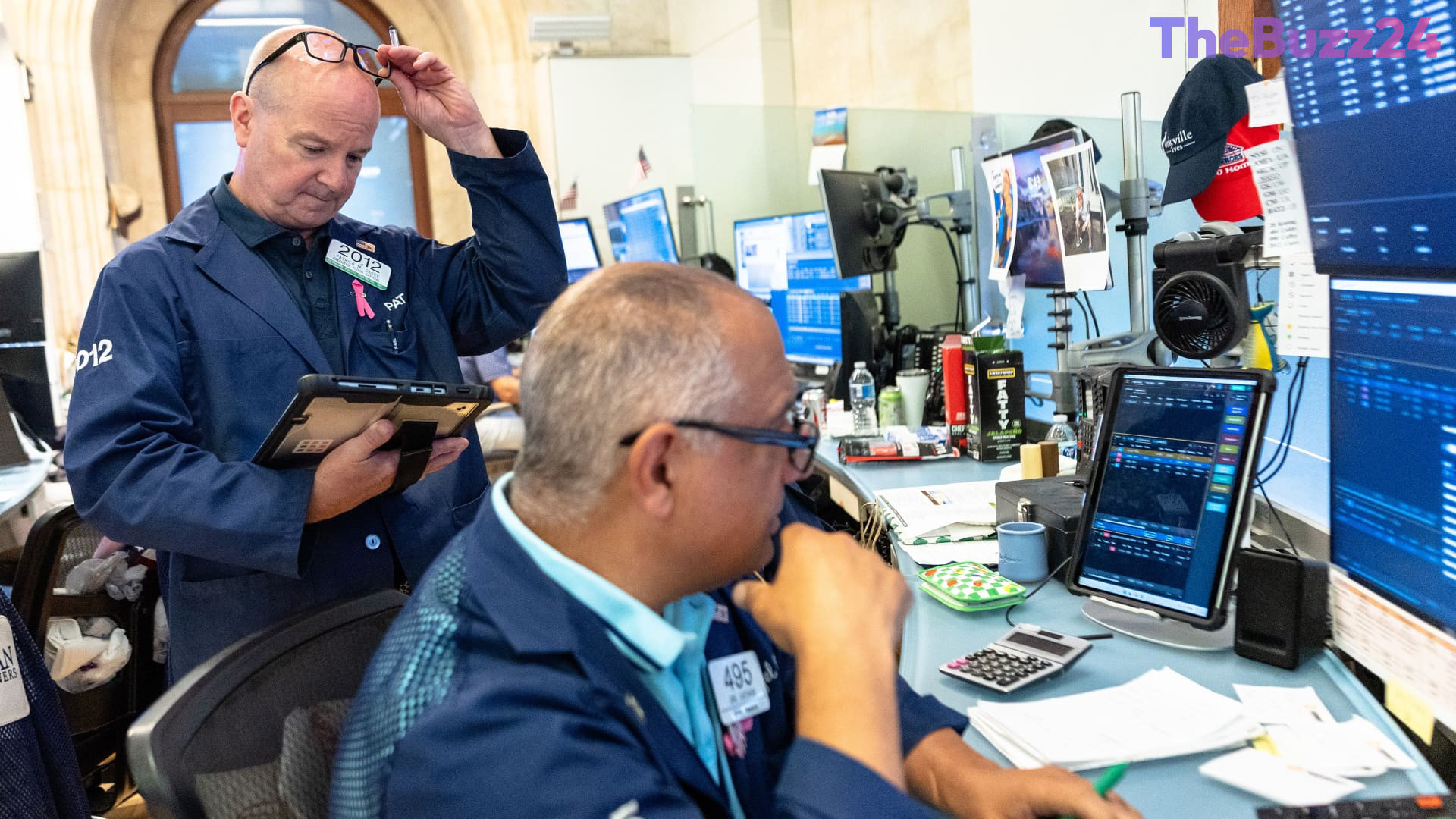
Financial markets are showing signs of volatility early this week as investors grapple with the dual pressures of a disappointing previous trading week and escalating geopolitical instability in the Middle East. U.S. stock futures presented a mixed picture on Monday, with S&P 500 and Nasdaq-100 futures showing modest gains, while Dow Jones Industrial Average futures remained largely flat. This cautious sentiment follows a difficult week for major U.S. indices, which saw significant declines led by a downturn in the semiconductor sector.
Geopolitical concerns have taken center stage as the conflict between the United States and Iran intensifies. Following reports of further military engagements and additional American casualties, energy markets have reacted sharply. International benchmark Brent crude surged past $91 per barrel, while U.S. West Texas Intermediate climbed above $85. The potential for disruption to shipping lanes in the Strait of Hormuz remains a primary concern for traders monitoring the region’s stability.
In the Asia-Pacific region, market performance was similarly fragmented. South Korean stocks faced downward pressure, leading to a temporary trading halt via a sell-side sidecar mechanism, while Hong Kong’s Hang Seng index saw gains supported by the energy and healthcare sectors. Meanwhile, investors are bracing for a busy week of corporate earnings, with high-profile reports from Alphabet, Tesla, and Intel expected to provide further clarity on the health of the technology sector and broader market trajectory.
Key Takeaways
- Stock futures remain mixed as investors weigh geopolitical risks against recent market losses.
- Oil prices have spiked above $90 per barrel due to heightened tensions in the Middle East and concerns over shipping routes.
- Upcoming earnings reports from major tech companies like Tesla and Alphabet are expected to be key drivers of market sentiment this week.
Editor’s Analysis & Impact
The current market environment is defined by a ‘risk-off’ sentiment driven by geopolitical uncertainty. The surge in oil prices acts as a double-edged sword; while it benefits energy stocks, it threatens to reignite inflationary pressures that could complicate central bank policies. The semiconductor sector’s recent weakness suggests that the high-growth tech rally may be facing a period of consolidation or correction. Looking ahead, the market’s focus will likely shift from macro-geopolitics to micro-fundamentals as the ‘Magnificent Seven’ earnings season begins. If these companies fail to meet high growth expectations, we could see further volatility. Conversely, strong earnings could provide the necessary floor to stabilize the indices, provided that the conflict in the Middle East does not escalate into a broader regional crisis that disrupts global supply chains.
Frequently Asked Questions
Q: Why are oil prices rising?
A: Oil prices are climbing primarily due to escalating military tensions between the U.S. and Iran, which have raised fears regarding the security of energy shipments through the critical Strait of Hormuz.
Q: What is a sell-side sidecar in the context of the South Korean market?
A: A sell-side sidecar is a protective mechanism triggered when the Kospi 200 futures index drops by 5% or more for at least one minute, resulting in a temporary five-minute halt to program trading to prevent panic selling.
AI Disclosure: This article is based on verified data and official reports. Our Team and AI have cross-referenced every financial detail with primary sources to ensure total accuracy.
More from this Category