Lucky Peanuts: The Enduring Superstition Powering NASA’s Deep Space Missions
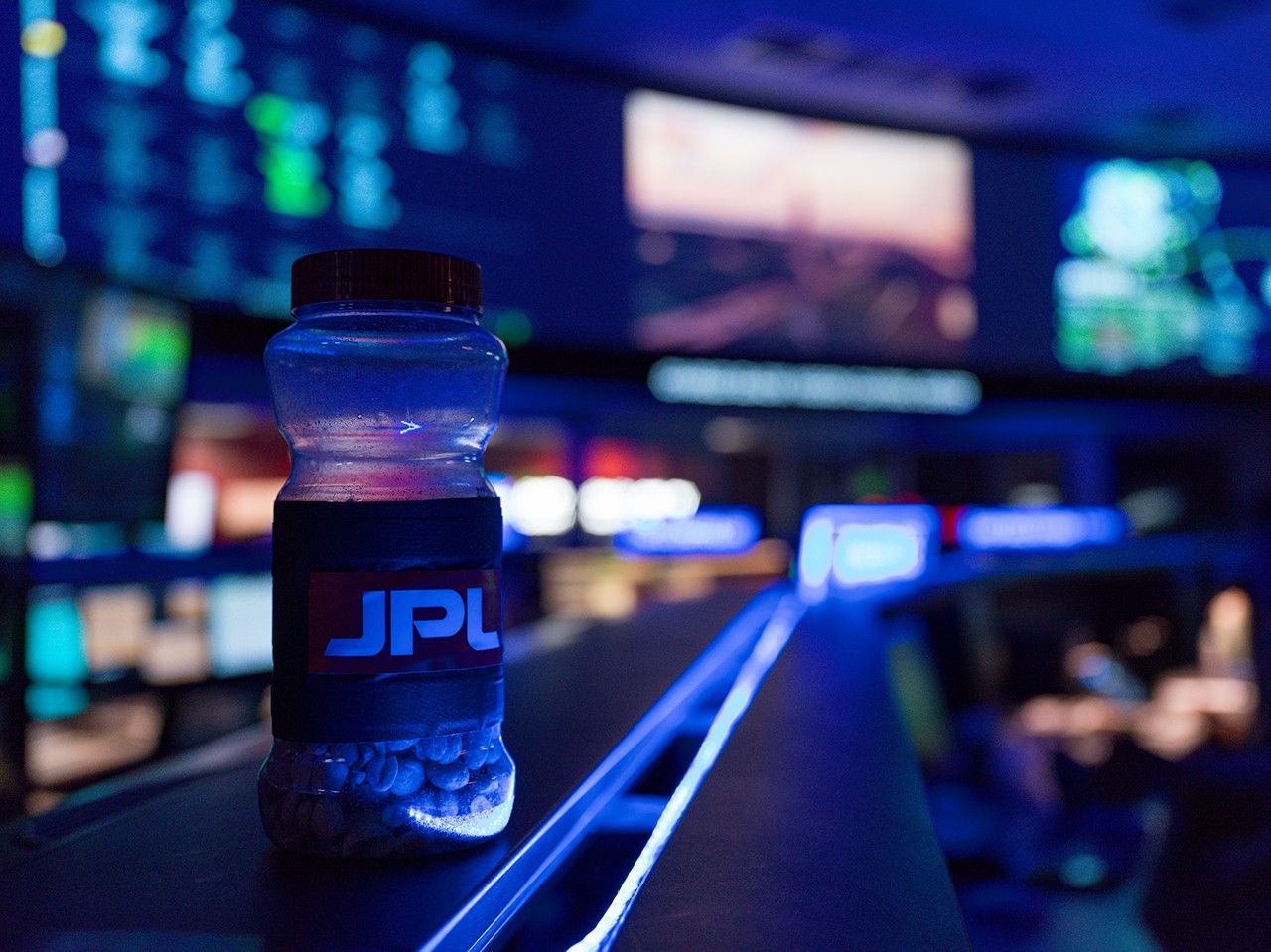
As NASA prepares for the ambitious Artemis II mission, set to launch in April 2026, engineers at the Jet Propulsion Laboratory (JPL) are upholding a decades-old tradition: the consumption of ‘lucky peanuts.’ This ritual, which has become a staple of the laboratory’s culture, involves keeping containers of peanuts at workstations during critical mission milestones. The practice serves as a symbolic touchstone for the team, grounding the high-stakes nature of space exploration in a long-standing custom that has accompanied numerous successful missions throughout history.
Beyond the superstition, the mission relies on the robust capabilities of the Deep Space Network (DSN). Managed by JPL on behalf of NASA, the DSN is a global communications infrastructure essential for maintaining contact with spacecraft operating far beyond Earth’s orbit. The network utilizes a series of massive radio frequency antennas strategically positioned in Goldstone, California; Madrid, Spain; and Canberra, Australia. This configuration ensures that mission controllers can maintain constant, reliable communication with crewed vehicles and robotic probes regardless of the Earth’s rotation.
For the upcoming Artemis II lunar journey, the DSN will be the primary lifeline, facilitating the transmission of vital commands and the reception of scientific data. By bridging the gap between human tradition and advanced engineering, the teams at JPL continue to manage the complexities of deep space navigation. The presence of the ‘lucky peanuts’ serves as a reminder of the human element behind the sophisticated technology that allows humanity to push the boundaries of the solar system.
Key Takeaways
- JPL engineers are continuing the 'lucky peanuts' tradition ahead of the Artemis II mission scheduled for 2026.
- The Deep Space Network (DSN) is critical for the mission, providing global communication coverage via antenna complexes in the US, Spain, and Australia.
- The ritual highlights the intersection of human culture and high-stakes aerospace engineering in modern space exploration.
Editor’s Analysis & Impact
The persistence of the ‘lucky peanuts’ tradition at JPL offers a fascinating look into the psychological resilience required in the aerospace industry. While the technology behind the Deep Space Network is purely scientific and data-driven, the human element remains a critical component of mission success. From an industry perspective, the DSN represents a vital piece of global infrastructure that is increasingly strained by the growing number of lunar and deep-space missions. As private and public entities ramp up space exploration, the reliability of this network will become a primary bottleneck. The integration of traditional rituals into high-pressure work environments like JPL helps maintain team cohesion and morale, which is essential when managing the immense technical risks associated with crewed spaceflight. Future outlooks suggest that as missions become more frequent, the reliance on such robust, globally distributed communication networks will only grow in strategic importance.
Frequently Asked Questions
Q: What is the 'lucky peanuts' tradition at JPL?
A: It is a long-standing superstition where engineers and staff keep peanuts at their workstations during major mission events and launches to bring good luck.
Q: What is the role of the Deep Space Network (DSN) in the Artemis II mission?
A: The DSN provides the necessary communication infrastructure to track the spacecraft, send critical commands, and receive scientific data from the crewed vehicle as it travels to the Moon.
AI Disclosure: This article is based on verified data and official reports. Our Team and AI have cross-referenced every financial detail with primary sources to ensure total accuracy.
More from this Category