The Ube Phenomenon: How a Filipino Staple Conquered Global Menus
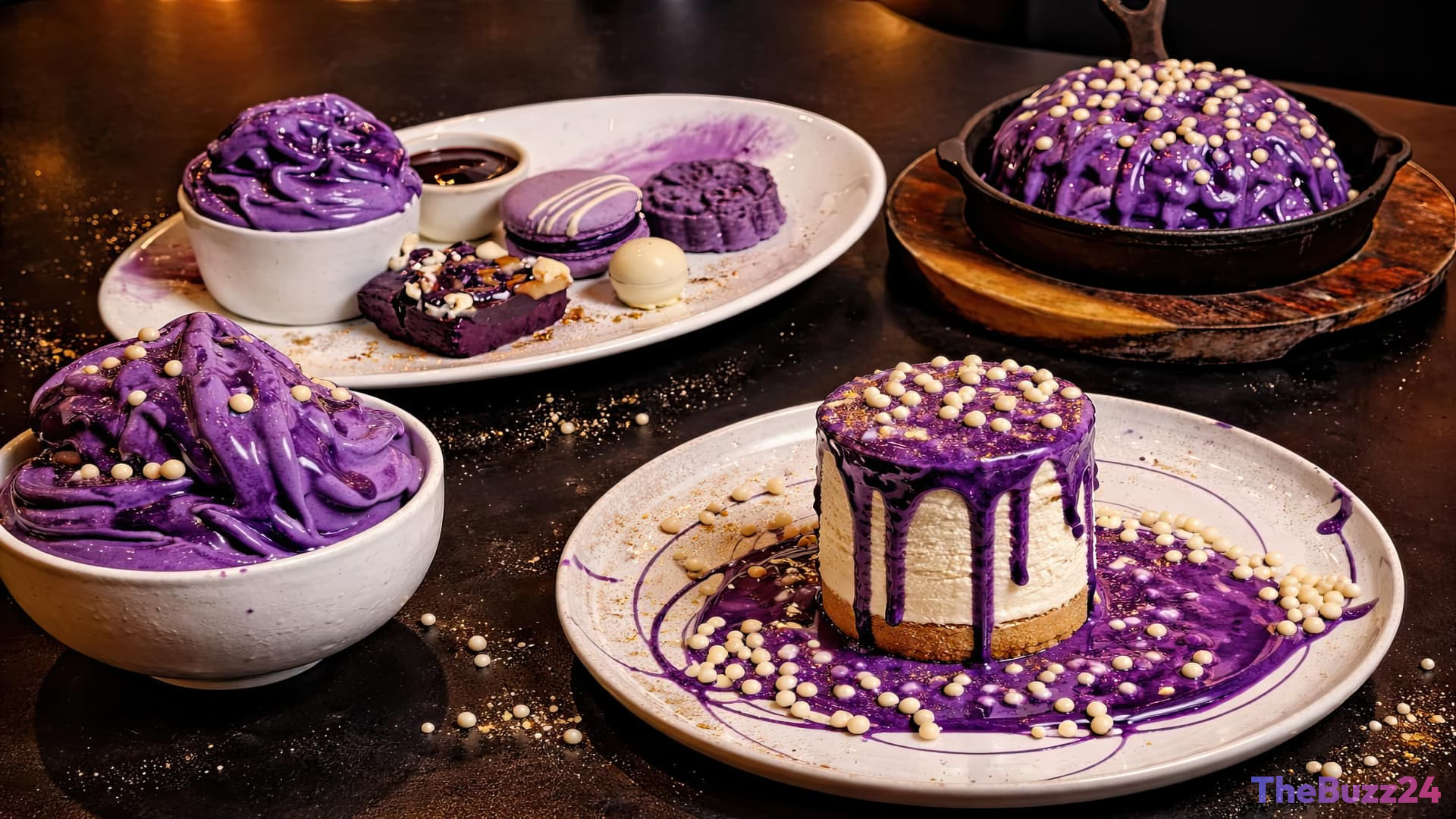
The vibrant purple yam known as ube has transformed from a traditional Filipino ingredient into a worldwide culinary sensation. Celebrated for its distinctively sweet, nutty profile and vivid violet color, the root vegetable has moved beyond its cultural origins to become a staple in modern cafes and high-end bakeries. From lattes and cocktails to elaborate artisanal pastries, ube’s visual appeal has made it a favorite for social media-driven dining, where its striking aesthetic ensures it stands out in digital feeds.
This rapid expansion is reflected in the data, with menu inclusions for ube-based products surging by more than 230% in the United States over the last four years. Major food and beverage chains have embraced the trend, leveraging the ingredient’s familiarity in dessert and coffee formats to attract curious consumers. By successfully bridging the gap between traditional cultural cuisine and modern global trends, ube has solidified its place alongside popular international staples like matcha and boba tea.
However, this global success has introduced significant strain on the agricultural infrastructure in the Philippines. While the surge in export demand has generated millions in revenue across North America, Australia, and the U.K., domestic farmers are struggling to keep pace. Climate change and erratic weather patterns have hampered local harvests, occasionally forcing the region to rely on imports to satisfy the growing international appetite. Despite these supply chain hurdles, the increased market value of the crop offers a potential economic boost for local growers, provided that production can be stabilized to meet the long-term demand.
Key Takeaways
- Ube has seen a 230% increase in menu appearances in the U.S. over the last four years, driven largely by its visual appeal on social media.
- The global popularity of the purple yam has created a supply-demand imbalance, exacerbated by climate-related agricultural challenges in the Philippines.
- While supply chain issues persist, the rising market value of ube presents new economic opportunities for Filipino farmers and the regional agricultural sector.
Editor’s Analysis & Impact
The rise of ube represents a broader shift in the food and beverage industry where ‘Instagrammability’ acts as a primary driver for product innovation. By leveraging the visual impact of natural ingredients, brands can create high-margin, viral products that appeal to younger demographics. However, the ube trend also highlights the fragility of globalized food supply chains. As a niche cultural ingredient scales to mass-market status, the reliance on specific geographic regions for production creates vulnerability to climate change and logistical bottlenecks. Future growth in this sector will likely depend on diversifying supply sources and investing in sustainable agricultural technology to ensure that the demand for ‘trendy’ foods does not lead to long-term depletion or price volatility for the communities that originally cultivated them.
Frequently Asked Questions
Q: What is ube and why is it popular?
A: Ube is a purple yam native to the Philippines, known for its sweet, nutty flavor and vibrant violet color. It has gained global popularity largely due to its striking visual appeal, which makes it highly shareable on social media platforms.
Q: How has the global demand for ube affected Filipino farmers?
A: The increased demand has driven up market prices, offering potential economic benefits for farmers. However, it has also placed pressure on the supply chain, as climate change and unpredictable weather have made it difficult for local production to keep up with international consumption.
AI Disclosure: This article is based on verified data and official reports. Our Team and AI have cross-referenced every financial detail with primary sources to ensure total accuracy.
More from this Category