Robotics Data Startup XDOF Eyes Unicorn Status with $1.2 Billion Valuation
XDOF, a pioneering startup focused on collecting real-world teleoperation data for training general-purpose robots, is reportedly in advanced discussions to secure a Series B funding round. Less than three months after emerging from stealth mode, the company is eyeing a valuation of approximately $1.2 billion, with investment firm 8VC leading the potential deal, according to sources familiar with the negotiations.
Founded in 2024 by UC Berkeley researchers Philipp Wu (CEO) and Fred Shentu (CTO), XDOF quickly made headlines with a $70 million Series A round in June, attracting prominent investors such as Thrive Capital, Andreessen Horowitz, Lux, and Spark Capital. While the company had not initially planned another funding round so soon, its explosive growth, with annualized revenue rapidly approaching $50 million, prompted venture capitalists to proactively approach XDOF for a new investment. The exact total capital being raised and whether the valuation includes this new funding remain undisclosed, and the terms of the deal are still subject to change.
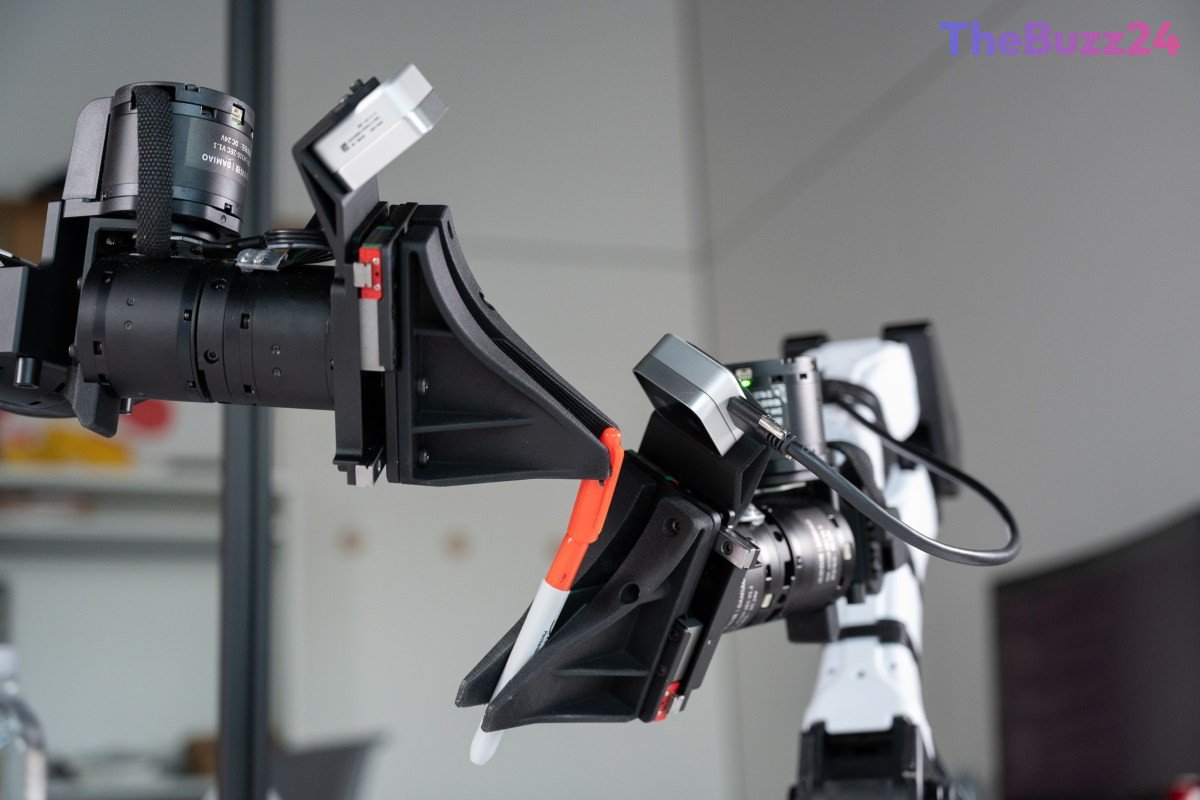
XDOF’s core mission is to establish the essential data pipelines, collection tools, and annotation systems that advanced AI labs and robotics companies often struggle to build internally. Essentially, it functions as an outsourced data-supply chain for the burgeoning robotics industry. The founders identified a critical impediment to robotics research: the scarcity of large-scale, real-world datasets, a stark contrast to the vast data available for large language models. Their solution, stemming from their work on GELLO—a low-cost teleoperation system for generating robot training data—forms the foundation of XDOF. The company is now partnering with UC Berkeley’s AI Research lab to release ABC, what it believes to be the largest collection of high-quality robot training data ever assembled.
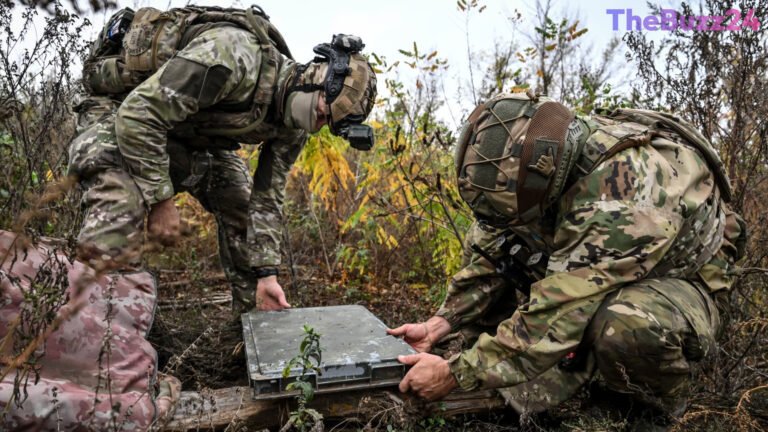
To capture this crucial data, XDOF employs a hybrid approach, combining remote robot teleoperation with human collectors who wear sensors to record everyday tasks like folding clothes and flattening boxes. The startup plans to expand its global operations by hiring and training teams of data collectors, including teleoperators who remotely control robots and egocentric operators who capture movement data using body sensors. XDOF is already collaborating with 20 customers, including several frontier AI labs, and operates in a competitive landscape alongside other data collection startups like Mecka AI, as well as human-data platforms such as Scale AI and Micro1, which are expanding beyond LLMs.
Key Takeaways
- Robotics data startup XDOF is in late-stage talks for a Series B funding round at an approximate $1.2 billion valuation, just three months after emerging from stealth.
- The company specializes in collecting real-world teleoperation data, addressing a critical bottleneck in training general-purpose robots by providing essential data infrastructure.
- XDOF has experienced rapid growth, achieving nearly $50 million in annualized revenue, which has attracted significant investor interest from firms like 8VC, Thrive Capital, and Andreessen Horowitz.
Editor’s Analysis & Impact
XDOF’s rapid ascent to a potential unicorn valuation underscores the escalating demand for specialized data infrastructure within the burgeoning robotics and AI sectors. This development highlights a critical market need for high-quality, real-world datasets, mirroring the foundational role data-labeling giants played in the large language model boom. The company’s model as an outsourced data-supply chain for physical AI could become indispensable, accelerating the development and deployment of more capable and versatile robots across various industries.
The substantial investor confidence in XDOF signals a significant shift towards practical, data-driven AI applications beyond software. Its innovative approach to data collection, combining remote teleoperation with human-centric sensor data, could establish new industry standards. This growth also points to increasing specialization within the AI ecosystem, where foundational data collection and processing are emerging as distinct, high-value services, potentially fostering a new wave of infrastructure startups supporting advanced robotics.
Frequently Asked Questions
Q: What is XDOF's primary business?
A: XDOF specializes in collecting and processing real-world teleoperation data to train general-purpose robots, acting as a crucial data-supply chain for frontier AI labs and robotics companies.
Q: How quickly has XDOF grown?
A: XDOF emerged from stealth less than three months ago and is already in late-stage talks for a Series B funding round at an approximate $1.2 billion valuation, driven by rapid growth and nearly $50 million in annualized revenue.
Q: Why is XDOF's work important for robotics?
A: Unlike large language models that had vast internet data, physical robots lack equivalent large-scale, real-world datasets. XDOF addresses this critical bottleneck by providing the necessary training data, which is essential for developing more capable and versatile general-purpose robotic systems.
AI Disclosure: This article is based on verified data and official reports. Our Team and AI have cross-referenced every financial detail with primary sources to ensure total accuracy.
More from this Category