SpaceX Postpones Starship V3 Launch After Last-Minute Technical Glitch
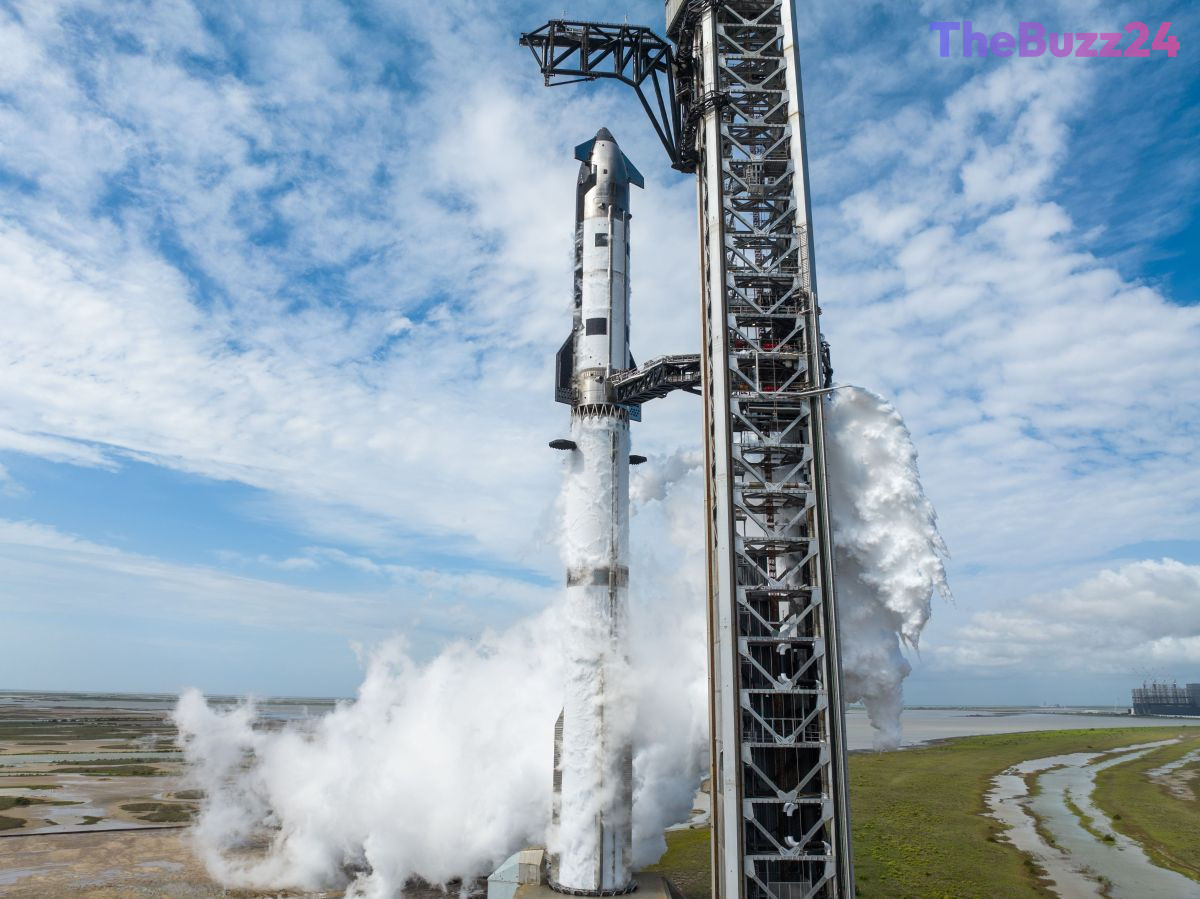
SpaceX has officially scrubbed the inaugural launch of its third-generation Starship rocket system. The mission, which was set to depart from the company’s Starbase facility in Texas, was halted in the final seconds of the countdown due to a mechanical failure. CEO Elon Musk confirmed that a hydraulic pin responsible for securing the launch tower arm failed to retract, forcing the team to stand down. A secondary launch attempt is currently scheduled for Friday evening, pending successful repairs.
This mission represents a significant milestone for the aerospace firm as it transitions to the V3 hardware. The updated design features enhanced Raptor engines and a streamlined booster configuration intended to improve reliability and simplify the recovery process. Engineers have also implemented critical modifications to the upper stage to prevent the propellant leaks that plagued previous test flights. While the company aims for full reusability, this specific test will focus on flight performance rather than vehicle recovery, with both the booster and the spacecraft slated for soft water landings.
The stakes for this launch are particularly high as the company prepares for its highly anticipated initial public offering. With Starlink generating $11 billion in revenue last year, the successful deployment of commercial payloads via the Starship platform is essential for the company’s long-term financial strategy. Although previous tests have successfully deployed dummy satellites, the industry is watching closely to see if the V3 system can prove its capability to deliver functional hardware into orbit.
Key Takeaways
- SpaceX aborted the first Starship V3 launch due to a mechanical failure involving a hydraulic pin on the launch tower.
- The V3 hardware features upgraded Raptor engines and design improvements aimed at increasing reliability and preventing past propellant leaks.
- Successful deployment of commercial payloads via Starship is critical for the company's financial growth and future IPO plans.
Editor’s Analysis & Impact
The delay of the Starship V3 debut highlights the inherent complexities of rapid aerospace development. While SpaceX has established a culture of ‘failing forward,’ the transition to V3 hardware is a pivotal moment for the company’s commercial viability. The industry is closely monitoring this launch because the Starship platform is the linchpin for scaling Starlink and securing lucrative government and private sector contracts. If the V3 system demonstrates consistent performance, it will likely accelerate the timeline for SpaceX’s potential IPO, providing a massive boost to its valuation. Conversely, persistent technical hurdles could dampen investor sentiment as the company attempts to move from experimental test flights to reliable, high-frequency commercial operations. The outcome of the upcoming Friday attempt will serve as a bellwether for the company’s ability to meet its ambitious orbital delivery targets.
Frequently Asked Questions
Q: Why was the Starship V3 launch aborted?
A: The launch was aborted in the final seconds of the countdown because a hydraulic pin responsible for securing the launch tower arm failed to retract.
Q: What is the primary goal of the Starship V3 test flight?
A: The test focuses on flight performance and validating the new hardware, including enhanced Raptor engines and upper-stage modifications, rather than vehicle recovery.
AI Disclosure: This article is based on verified data and official reports. Our Team and AI have cross-referenced every financial detail with primary sources to ensure total accuracy.
More from this Category