Tensions Rise as US Vice President Criticizes Netanyahu’s Strategic Decisions
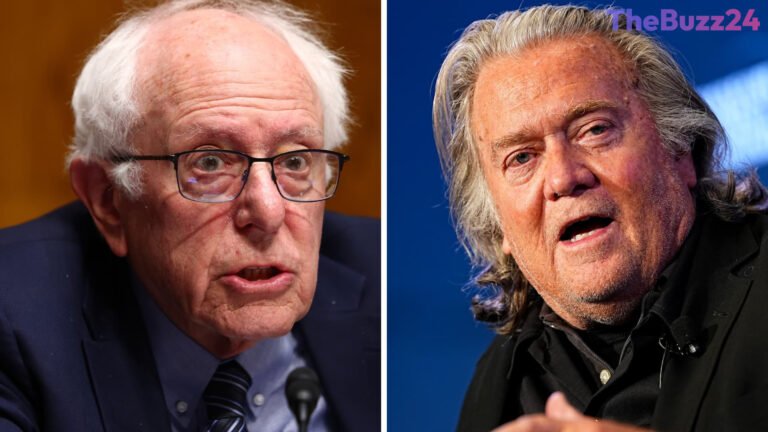
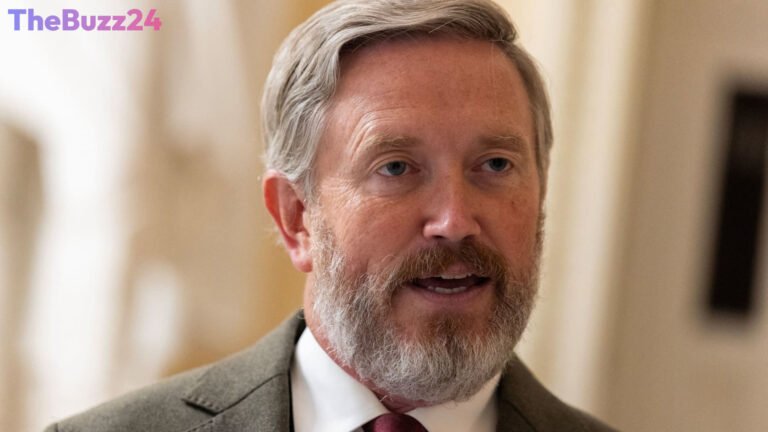
US Vice President JD Vance has publicly acknowledged that Israeli Prime Minister Benjamin Netanyahu has made significant strategic errors, signaling a growing friction between the two long-standing allies. While Vance stopped short of providing specific examples, he emphasized that while Netanyahu is a fierce advocate for Israel’s national interests, those interests do not always align with the priorities of the United States. This public admission underscores a deepening divide as the Trump administration attempts to navigate complex regional conflicts.
The friction appears to stem from ongoing military operations in Lebanon and the broader, volatile conflict involving Iran. Reports indicate that President Donald Trump has expressed frustration with the Israeli leadership, particularly regarding the intensity of military actions that have complicated diplomatic efforts and threatened regional stability. The administration has signaled that while the partnership remains, the US will prioritize its own national interests when they diverge from those of its allies.
Despite the public rhetoric, both sides have attempted to frame these disagreements as standard tactical disputes between partners. Netanyahu has characterized the friction as typical of close relationships, suggesting that such differences are manageable. However, the political stakes are high for both leaders; the US administration is under pressure to resolve energy crises and limit nuclear proliferation, while Netanyahu faces domestic scrutiny regarding the efficacy and duration of his military campaigns.
Key Takeaways
- US Vice President JD Vance publicly stated that Israeli Prime Minister Benjamin Netanyahu has made strategic errors, highlighting a shift in the US-Israel relationship.
- The tension is largely driven by disagreements over military operations in Lebanon and the ongoing conflict with Iran, which complicates US diplomatic goals.
- The Trump administration has signaled that it will prioritize American interests, even when they conflict with the strategic objectives of the Israeli government.
Editor’s Analysis & Impact
The public airing of grievances between the US and Israel marks a significant pivot in the geopolitical landscape of the Middle East. Historically, the Trump administration has maintained a staunchly pro-Israel stance; however, the current ‘permacrisis’ in the region is forcing a recalibration of priorities. The US is clearly signaling that its desire to stabilize global energy markets and curb Iran’s nuclear ambitions outweighs unconditional support for Israel’s current military trajectory in Lebanon. This shift suggests that the US is moving toward a more transactional foreign policy, where alliance loyalty is secondary to domestic political and economic stability. As both nations approach critical electoral periods, the ability to manage these ‘tactical disagreements’ will be essential to preventing a total breakdown in diplomatic cooperation, which could otherwise lead to further regional instability.
Frequently Asked Questions
Q: Why is the US government expressing frustration with Israel?
A: The frustration stems from Israel's ongoing military operations in Lebanon, which the US believes are hindering peace negotiations and complicating broader regional stability goals, including the reopening of the Strait of Hormuz.
Q: How has Benjamin Netanyahu responded to the claims of a rift?
A: Netanyahu has sought to downplay the tension, describing the disagreements as 'tactical' and typical of close partners, insisting that the two nations remain great friends.
AI Disclosure: This article is based on verified data and official reports. Our Team and AI have cross-referenced every financial detail with primary sources to ensure total accuracy.
More from this Category