U.S. Imposes Naval Blockade on Strait of Hormuz Following Diplomatic Collapse
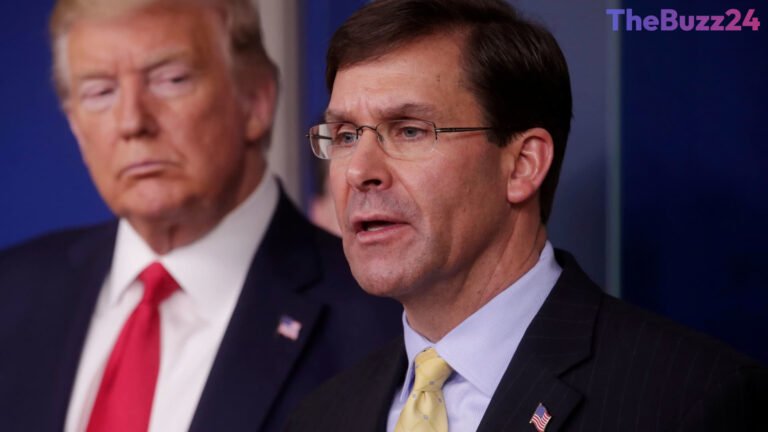
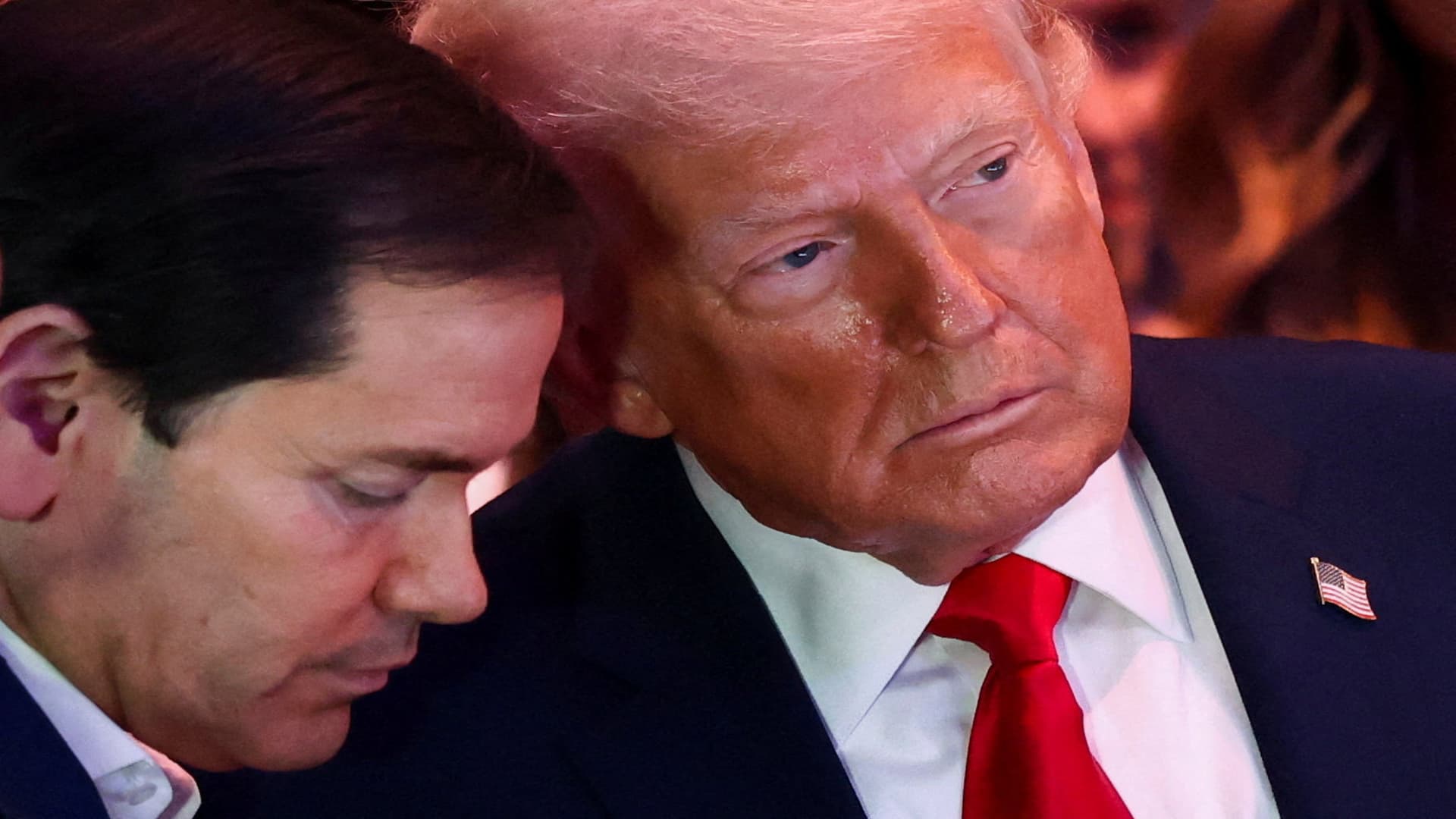
The United States has officially initiated a comprehensive naval blockade of the Strait of Hormuz, a vital maritime corridor that facilitates the transit of roughly 20% of the world’s oil supply. This strategic military maneuver follows the total breakdown of peace negotiations in Islamabad, where U.S. and Iranian representatives failed to reach an agreement on regional security and ongoing hostilities. President Donald Trump stated that the U.S. Navy is now tasked with interdicting vessels attempting to comply with transit tolls imposed by Tehran, which the administration has formally classified as a form of international extortion.
Under the new directive, U.S. Central Command is enforcing a strategy aimed at curbing Iranian influence over the waterway. While the military has indicated that vessels traveling to and from non-Iranian ports will be permitted to pass, any ship entering or exiting Iranian coastal waters will face strict blockade enforcement. The administration has also issued a stern warning to international entities, including China, suggesting that any attempt to assist in circumventing these measures could trigger retaliatory tariffs as high as 50%. Additionally, the Department of Justice has pledged to pursue legal action against any parties involved in the trade of sanctioned Iranian petroleum.
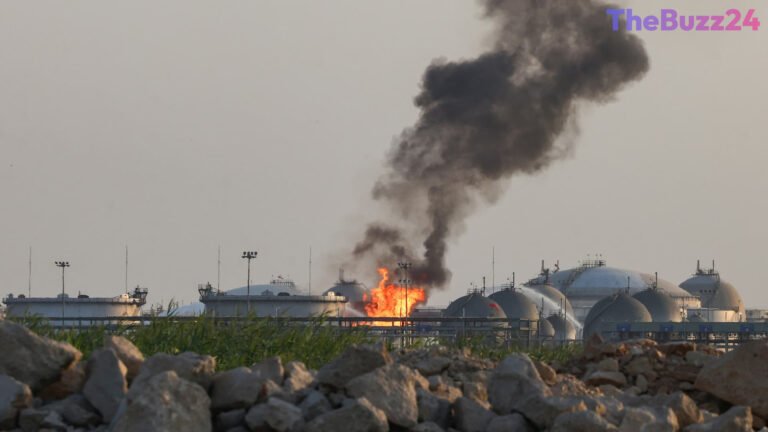
Tehran has condemned the blockade as a direct violation of the existing two-week ceasefire, with the Iranian Revolutionary Guard Corps threatening a military response to the increased presence of U.S. naval assets. The announcement has already triggered significant volatility in global energy markets, as investors react to the potential for supply chain disruptions. While the U.S. government claims that international allies will support the operation, the level of foreign participation remains unclear as several nations have expressed hesitation regarding the enforcement of such a restrictive maritime policy.
The failure of the recent diplomatic talks stems from deep-seated disagreements regarding Iran’s nuclear program, regional ceasefire terms, and the status of frozen assets. As the U.S. moves forward with the blockade, officials maintain that this pressure is essential to ensure regional stability and prevent Iran from utilizing the strait as a tool for economic leverage. Global energy analysts continue to monitor the situation closely, noting that the ongoing tension poses a substantial risk to international trade routes and long-term energy security.
Key Takeaways
- The U.S. has launched a naval blockade of the Strait of Hormuz following the collapse of peace talks with Iran.
- The blockade targets vessels paying Iranian transit tolls and threatens third-party nations with heavy tariffs for non-compliance.
- Global oil markets are experiencing extreme volatility as the Iranian Revolutionary Guard threatens a military response to the U.S. presence.
Editor’s Analysis & Impact
The imposition of a naval blockade in the Strait of Hormuz represents a significant escalation in geopolitical tensions, with immediate and severe implications for the global energy sector. By targeting one of the world’s most critical oil chokepoints, the U.S. is effectively weaponizing trade routes to exert maximum pressure on Tehran. The market impact is already visible through sharp fluctuations in oil prices, reflecting investor anxiety over potential supply chain disruptions. Looking ahead, the success of this policy depends on the willingness of international allies to enforce the blockade and the extent of Iran’s retaliatory capabilities. If the situation continues to deteriorate, we may see a sustained period of energy price instability, forcing global powers to reconsider their reliance on this specific maritime corridor and potentially accelerating shifts in international trade alliances.
Frequently Asked Questions
Q: Why did the U.S. initiate a blockade of the Strait of Hormuz?
A: The blockade was initiated following the collapse of peace negotiations in Islamabad and as a response to Iran's imposition of transit tolls, which the U.S. characterizes as international extortion.
Q: How will the blockade affect international shipping?
A: While the U.S. claims it will allow free passage for vessels traveling to non-Iranian ports, any ship entering or departing Iranian coastal areas will be subject to interdiction, creating significant risks for commercial shipping in the region.
AI Disclosure: This article is based on verified data and official reports. Our Team and AI have cross-referenced every financial detail with primary sources to ensure total accuracy.
More from this Category