Over 500 Detained as Turkish Police Block May Day Marches to Iconic Taksim Square
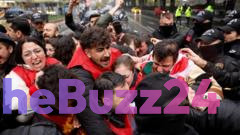
Turkish authorities detained over 500 individuals on May Day as police enforced a ban on gatherings, particularly those attempting to reach the historically significant Taksim Square in Istanbul. The square, a focal point for past anti-government demonstrations, has been off-limits for public assembly since 2013, and was heavily secured by law enforcement overnight.
Annual May Day celebrations, observed globally as International Labour Day, saw significant police presence across Turkey. While some permitted gatherings proceeded in areas like Kadikoy, Kartal, Izmir, and Diyarbakir, authorities were quick to disperse unauthorized attempts to congregate. In Istanbul’s Mecidiyekoy district, police used water cannons and tear gas to break up groups, including members of the Turkish Workers’ Party led by its president, Erkan Bas, who was among those detained. Bas criticized the blockade of Taksim Square as unlawful.
The Lawyers’ Association for Civil Rights (CHD) reported the high number of arrests, highlighting the tension between labor rights advocacy and government restrictions on public assembly. Meanwhile, President Recep Tayyip Erdogan extended greetings to workers across the nation, emphasizing Labor and Solidarity Day’s significance, though the day’s events underscored ongoing challenges for labor movements seeking to exercise their right to protest in designated public spaces.
Key Takeaways
- More than 500 people were arrested during May Day rallies in Turkey.
- Police blocked access to Taksim Square, a traditional protest site, leading to confrontations.
- The detentions highlight ongoing restrictions on public assembly and labor demonstrations in Turkey.
Editor’s Analysis & Impact
The events of May Day in Turkey underscore a persistent tension between the government’s control over public spaces and the rights of labor unions and citizens to assemble. The strict enforcement around Taksim Square, a symbolic location for dissent, suggests a continued effort to manage and preemptively quell potential protests. This approach may impact the perceived freedom of association and expression for workers and activists, potentially affecting international perceptions of Turkey’s democratic practices and its appeal to foreign investment sensitive to labor rights and stability. The government’s messaging, while acknowledging workers, contrasts sharply with the actions on the ground, indicating a complex balancing act in managing public sentiment and maintaining order.
Frequently Asked Questions
Q: Why is Taksim Square significant for protests in Turkey?
A: Taksim Square in Istanbul has historically been a central location for public gatherings, demonstrations, and protests in Turkey, making it a symbolic site for expressing dissent and advocating for various social and political causes.
Q: What is May Day?
A: May Day, celebrated on May 1st, is an international day recognizing the struggles and achievements of workers and the labor movement. It is observed in many countries with rallies, demonstrations, and celebrations organized by trade unions and workers' groups.
Q: What actions did police take during the May Day rallies?
A: Police deployed in large numbers and used measures such as water cannons and tear gas to disperse crowds, particularly those attempting to march towards Taksim Square or gather in unauthorized areas. Over 500 arrests were reported.
AI Disclosure: This article is based on verified data and official reports. Our Team and AI have cross-referenced every financial detail with primary sources to ensure total accuracy.
More from this Category