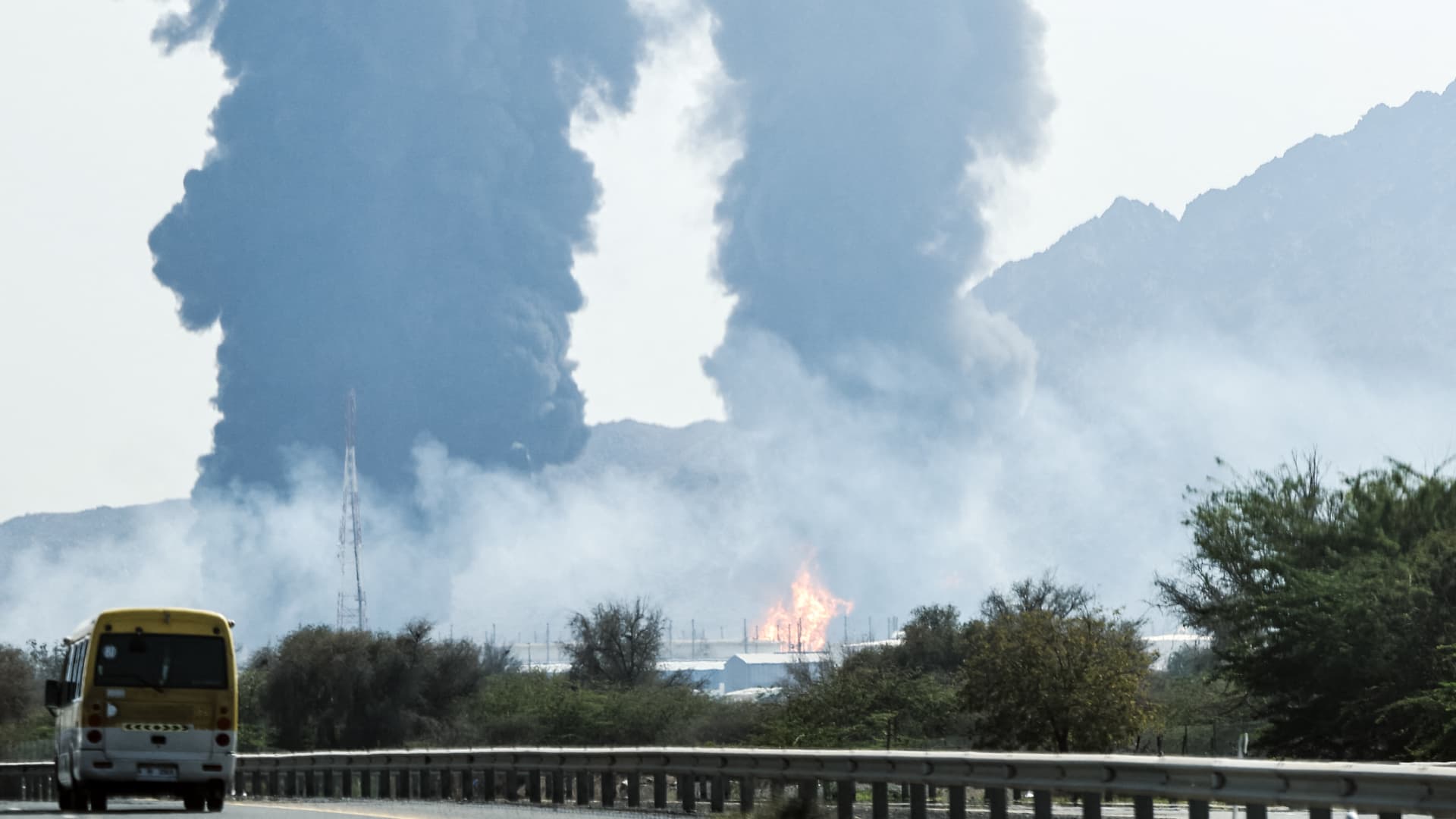
Middle East Energy Crisis: Infrastructure Repair Costs Top $50 Billion
The Middle East is facing a severe energy infrastructure crisis, with the total cost of repairing damaged critical facilities now exceeding $50 billion. Recent assessments indicate that over 80 major installations, ranging from essential pipelines to large-scale refineries and production hubs, have been compromised by ongoing regional instability. Analysts suggest that approximately one-third of these sites have suffered structural damage so extensive that full operational recovery could take at least two years of intensive reconstruction efforts.
The logistical challenges of these repairs are compounded by difficulties in sourcing specialized labor and raw materials. Iran is currently the most heavily impacted nation, facing estimated repair costs of $19 billion for its energy sector. However, the damage is widespread, affecting key assets across Saudi Arabia, Kuwait, and the United Arab Emirates, which has created significant uncertainty regarding regional energy security.
Adding to the economic strain, a targeted strike on a primary liquefied natural gas (LNG) complex in Qatar has severely disrupted production. The damage to two major production lines, which represent 17% of the nation’s total gas exports, is expected to cause a $20 billion revenue deficit. Because repairs for this specific facility could span up to five years, the resulting disruption to global supply chains is likely to maintain upward pressure on energy prices for the foreseeable future.
Key Takeaways
- Total repair costs for damaged Middle Eastern energy infrastructure have surpassed $50 billion.
- More than 80 major facilities are affected, with some requiring up to five years for full restoration.
- A strike on a Qatari LNG complex has disrupted 17% of the country's gas exports, threatening global supply stability.
Editor’s Analysis & Impact
The widespread destruction of critical energy infrastructure in the Middle East poses a systemic risk to the global economy. By significantly reducing regional production capacity, these events have tightened global energy supplies, setting the stage for prolonged price volatility. The extended timeline for repairs—stretching up to five years in some instances—indicates that energy markets will remain highly sensitive to geopolitical developments. Beyond the immediate financial impact, this crisis forces a fundamental re-evaluation of energy security strategies among major global importers. As nations seek to mitigate risk, we anticipate an accelerated shift toward energy diversification and a heightened emphasis on the physical protection of energy assets. These developments will likely reshape geopolitical alliances and international trade policies throughout the remainder of the decade.
Frequently Asked Questions
Q: How long will it take to repair the damaged energy facilities?
A: While timelines vary, experts estimate that many severely damaged sites will require at least two years to return to full operation, with some complex projects potentially taking up to five years.
Q: Which countries have been most affected by the infrastructure damage?
A: Iran has incurred the highest direct repair costs at $19 billion, but the damage is widespread, impacting critical energy assets in Saudi Arabia, Kuwait, the United Arab Emirates, and Qatar.
AI Disclosure: This article is based on verified data and official reports. Our Team and AI have cross-referenced every financial detail with primary sources to ensure total accuracy.
More from this Category