Russia Significantly Scales Back Victory Day Parade Amid Security and Resource Constraints
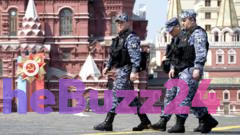
Russia is set to hold a markedly smaller Victory Day parade in Moscow this year, marking a historic departure from the traditional displays of military might that have defined the event for nearly two decades. For the first time in recent memory, the procession through Red Square will exclude heavy military hardware, such as tanks and ballistic missile systems, focusing instead on marching infantry units. This shift in the annual commemoration of the Soviet Union’s victory over Nazi Germany highlights the logistical and security challenges currently facing the Kremlin.
Government officials have pointed to heightened security risks, specifically the threat of drone strikes, as the primary driver for the scaled-back festivities. Furthermore, the decision underscores the ongoing strain of the war in Ukraine, which has necessitated the redirection of military assets away from ceremonial displays and toward the front lines. The conflict, which has now surpassed the duration of the Soviet Union’s involvement in World War II, continues to exert significant pressure on both the nation’s resources and its domestic stability.
Beyond the physical changes to the parade, the government is implementing stringent security measures, including planned mobile internet restrictions in the capital. These digital controls, intended to mitigate the risk of sabotage and drone navigation, have drawn criticism from the public. As the war continues to impact daily life through rising costs and security concerns, the Kremlin faces a delicate balancing act in maintaining national morale while navigating a conflict that shows no signs of a swift conclusion.
Key Takeaways
- Moscow's Victory Day parade will exclude heavy military hardware for the first time in nearly 20 years.
- Security concerns regarding drone strikes and the need to prioritize military resources for the war in Ukraine are cited as the main reasons for the reduction.
- The government is implementing mobile internet restrictions in Moscow to enhance security during the holiday period.
Editor’s Analysis & Impact
The decision to downsize the Victory Day parade is a significant symbolic concession that reflects the reality of Russia’s current military and domestic situation. By removing heavy weaponry from the display, the Kremlin is signaling that the demands of the war in Ukraine take precedence over traditional displays of national strength. This move carries inherent risks; it may be interpreted by some as a sign of vulnerability or resource depletion, potentially undermining the state’s narrative of military dominance. Furthermore, the implementation of internet restrictions and the public’s growing fatigue suggest that the domestic front is becoming increasingly sensitive. As the conflict drags on, the government’s ability to maintain the ‘country of victors’ image will likely face continued pressure from both economic strain and the physical proximity of the war to the Russian heartland.
Frequently Asked Questions
Q: Why is the Victory Day parade being scaled back?
A: The reduction is primarily due to security concerns regarding potential drone strikes and the need to prioritize military hardware for the ongoing conflict in Ukraine.
Q: What specific changes are being made to the parade?
A: The parade will feature marching soldiers but will exclude the traditional display of heavy military equipment, such as tanks and ballistic missiles.
AI Disclosure: This article is based on verified data and official reports. Our Team and AI have cross-referenced every financial detail with primary sources to ensure total accuracy.
More from this Category