Gautam Adani and Sagar Adani Resolve U.S. Civil Fraud Allegations with $18 Million Settlement
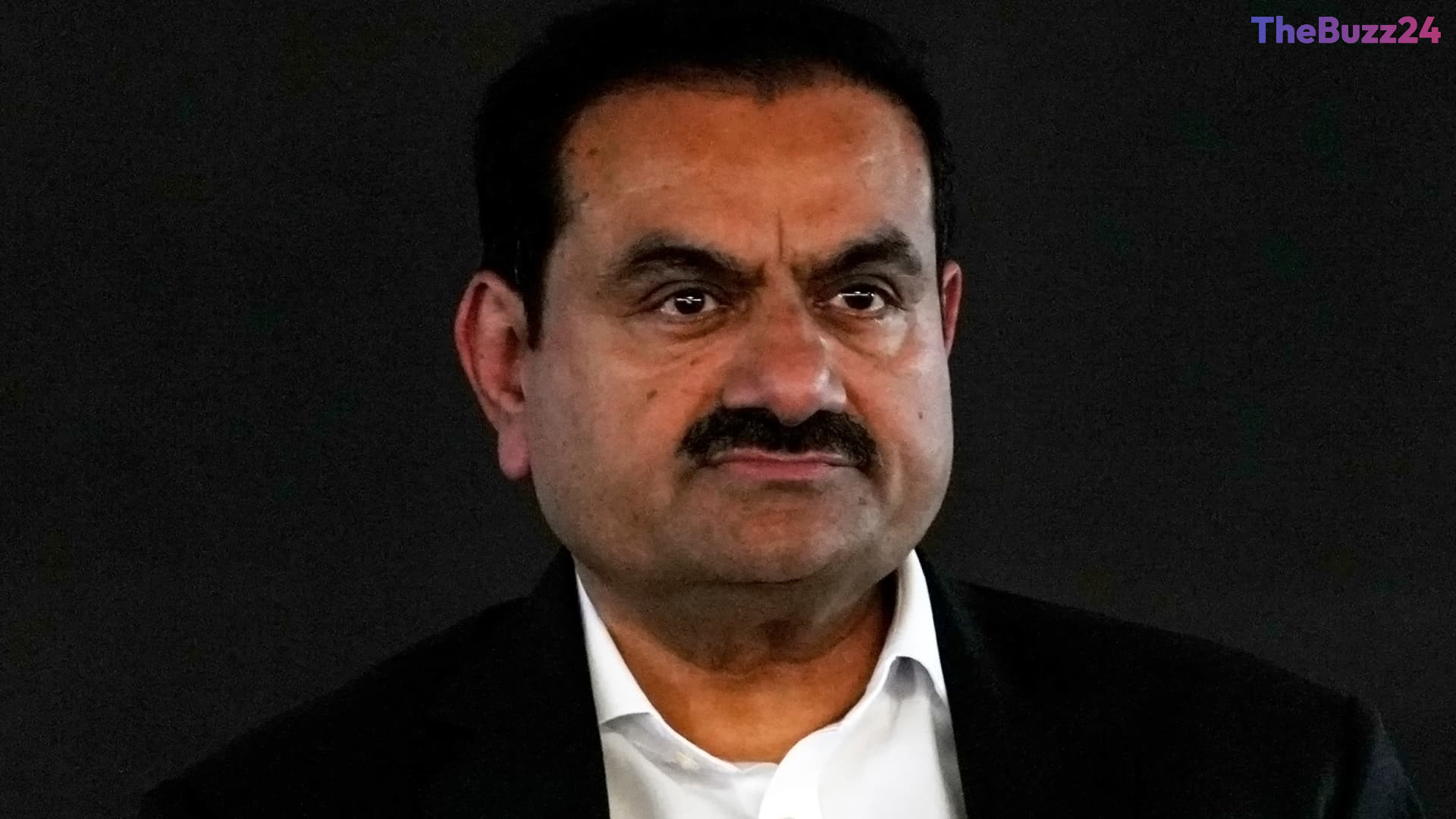
Indian billionaire Gautam Adani and his nephew, Sagar Adani, have reached a settlement with U.S. regulators to resolve civil fraud allegations. The agreement, which has been formally approved by the court, requires the pair to pay a combined $18 million. This resolution addresses long-standing claims regarding bribery and fraudulent activities tied to solar energy contracts in India, and it is expected to lead to the discontinuation of related criminal charges previously pursued by U.S. prosecutors.
Under the terms of the settlement with the Securities and Exchange Commission, Gautam Adani is set to pay a $6 million penalty, while Sagar Adani will pay $12 million. Both individuals agreed to the final judgment without admitting or denying the allegations presented in the civil complaint. The case focused on accusations that the executives misled investors regarding a scheme involving alleged bribes paid to Indian government officials to secure solar energy contracts, with specific implications for executives at Azure Power Global. The Adani Group has maintained that these allegations are baseless, and Adani Green Energy confirmed it was not a party to the proceedings and faced no charges.
Following the news of the settlement, shares of Adani Enterprises and Adani Green Energy experienced a recovery, paring back earlier losses. The conglomerate, which manages a vast portfolio spanning ports, power, and infrastructure, has faced significant scrutiny in recent years, including allegations of accounting irregularities. This settlement is viewed as a pivotal step in clearing legal uncertainties that have previously hindered the group’s international standing. By resolving these claims, the Adani Group may find it easier to access global capital markets, which remain essential for financing its large-scale renewable energy and infrastructure expansion projects.
Key Takeaways
- Gautam Adani and Sagar Adani agreed to pay $18 million to settle U.S. civil fraud allegations without admitting wrongdoing.
- The settlement is expected to result in the dismissal of related criminal charges previously pursued by U.S. prosecutors.
- Market confidence in Adani Group stocks showed signs of recovery following the resolution of these legal uncertainties.
Editor’s Analysis & Impact
The resolution of this civil fraud case represents a significant de-risking event for the Adani Group. By settling with U.S. regulators, the conglomerate effectively removes a major overhang that has clouded its international reputation and complicated its ability to raise capital. Given the group’s heavy reliance on global debt markets to fund its massive infrastructure and green energy pipeline, the removal of these legal hurdles is critical for maintaining liquidity and investor confidence. While the settlement does not constitute an admission of guilt, it allows the leadership to pivot away from defensive legal maneuvering and refocus on operational growth. However, the group remains under the broader shadow of previous short-seller allegations, meaning that while this specific chapter is closed, the company will likely remain under intense scrutiny from global institutional investors for the foreseeable future.
Frequently Asked Questions
Q: Did Gautam Adani admit to the fraud allegations as part of the settlement?
A: No, both Gautam and Sagar Adani consented to the final judgment without admitting or denying the allegations outlined in the civil complaint.
Q: How did the stock market react to the settlement announcement?
A: Shares of Adani Enterprises and Adani Green Energy saw a modest recovery and pared earlier losses following the news of the settlement.
AI Disclosure: This article is based on verified data and official reports. Our Team and AI have cross-referenced every financial detail with primary sources to ensure total accuracy.
More from this Category