Security Protocol: U.S. Delegation Purges Chinese-Issued Items Before Boarding Air Force One
Following a high-stakes diplomatic summit in Beijing, the U.S. delegation led by President Trump implemented a rigorous security protocol before departing on Air Force One. As officials prepared to board the aircraft, they were instructed to surrender all items acquired during their visit, including burner phones, official credentials, and commemorative lapel pins provided by their Chinese hosts.
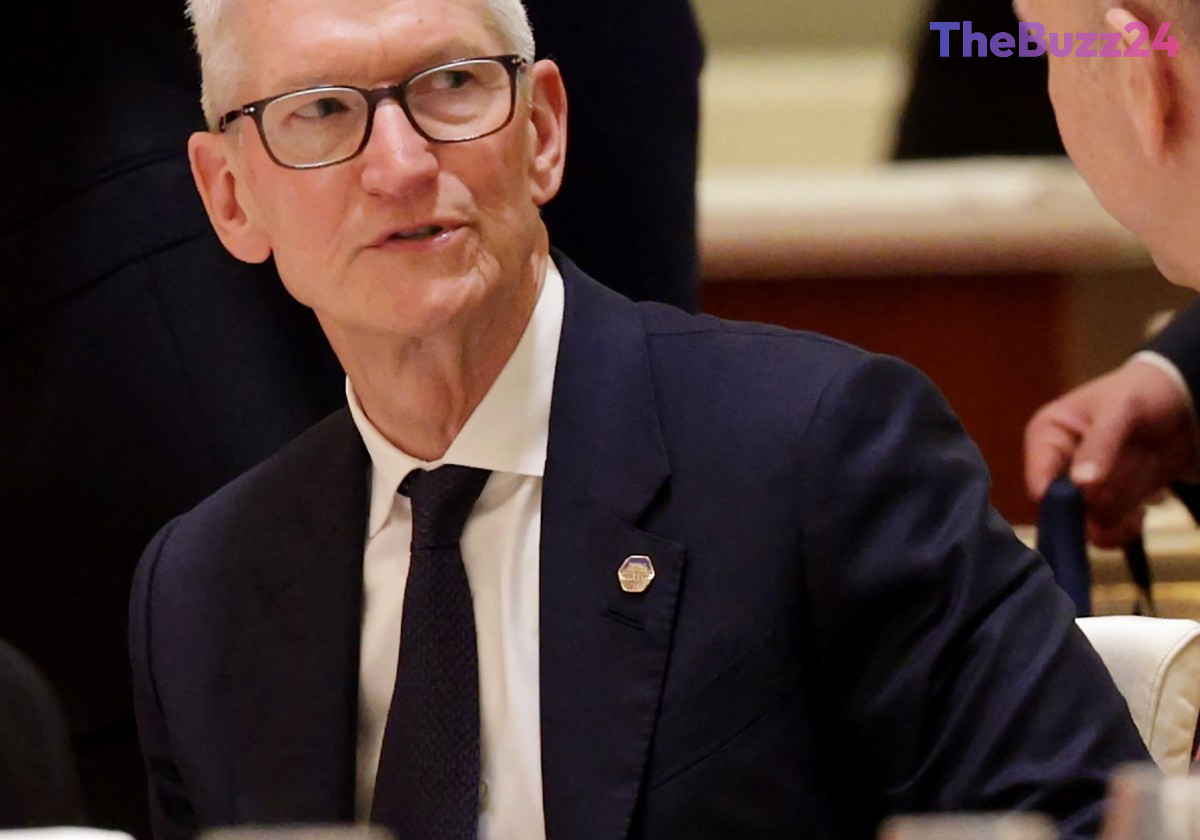
These items were collected in a designated bin at the base of the aircraft stairs, adhering to a strict policy that prohibited any foreign-sourced objects from entering the presidential plane. The move highlights the intense scrutiny surrounding digital and physical security when interacting with strategic rivals. High-profile attendees, including Apple CEO Tim Cook and Nvidia CEO Jensen Huang, were among those who had been seen wearing the now-discarded pins during the summit proceedings.
The directive reflects deep-seated concerns regarding potential espionage and the risk of compromised technology. While the summit was characterized by diplomatic engagement, the disposal of these items underscores the persistent apprehension that even seemingly benign gifts or temporary communication devices could serve as vectors for intelligence gathering. The U.S. government has long maintained a posture of extreme caution regarding cyber threats and surveillance capabilities associated with foreign intelligence services.
This incident serves as a stark reminder of the complexities inherent in modern diplomacy, where the line between professional courtesy and security vulnerability is often blurred. By mandating the disposal of these items, security personnel aimed to mitigate any risk of tracking or data exfiltration, ensuring that the integrity of the presidential aircraft remained uncompromised upon the delegation’s return to the United States.
Key Takeaways
- U.S. officials were required to surrender all Chinese-issued items, including burner phones and lapel pins, before boarding Air Force One.
- The security measure was enacted to prevent potential espionage risks associated with foreign-provided technology and gifts.
- Prominent business leaders, including Tim Cook and Jensen Huang, were among those who complied with the strict disposal protocol.
Editor’s Analysis & Impact
The incident highlights the escalating ‘technological cold war’ between the U.S. and China, where the physical and digital security of high-level officials is treated with extreme paranoia. By forcing the disposal of items—even those worn by top-tier tech executives—the U.S. government is signaling that no device or gift is considered safe from potential surveillance. This reflects a broader trend in global business and politics where supply chain security and hardware integrity are becoming paramount. For the tech industry, this underscores the difficulty of maintaining global operations while navigating intense geopolitical friction. Moving forward, we can expect such ‘clean room’ protocols to become standard practice for high-level delegations, further complicating the already strained relationship between Western tech giants and their Chinese counterparts.
Frequently Asked Questions
Q: Why were the items collected at the base of the plane?
A: The items were collected to ensure that no foreign-sourced technology or potential surveillance devices could be brought onto Air Force One, maintaining the security integrity of the presidential aircraft.
Q: Does this protocol apply to all U.S. government travel?
A: While specific protocols vary based on the destination and threat assessment, it is standard practice for U.S. security details to implement strict 'clean' device policies when traveling to countries identified as high-risk for cyber espionage.
AI Disclosure: This article is based on verified data and official reports. Our Team and AI have cross-referenced every financial detail with primary sources to ensure total accuracy.
More from this Category