Ceasefire Extended for 45 Days Amidst Escalating Violence in Southern Lebanon
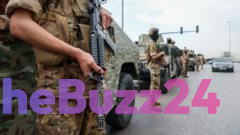
A fragile ceasefire between Israel and Lebanon has been extended for an additional 45 days, even as the region grapples with a surge in deadly military activity. The extension follows two days of high-level negotiations in Washington D.C., aimed at stabilizing the volatile border and fostering long-term security. While diplomatic channels remain open, with further security talks scheduled at the Pentagon for late May, the reality on the ground remains grim as both sides continue to exchange fire.
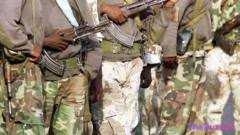
The latest violence saw a significant loss of life in the southern Lebanese town of Harouf, where an Israeli air strike resulted in the deaths of six individuals, including three paramedics. This incident is part of a broader pattern of intensified air and artillery strikes that have claimed dozens of lives in recent days. Israel maintains that its operations are focused on dismantling Hezbollah infrastructure to secure a buffer zone, while Lebanese officials have accused the military of targeting civilian populations and emergency responders.
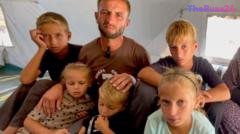
Since the conflict intensified on March 2, the humanitarian toll has been catastrophic. Over one million people—nearly 20% of Lebanon’s total population—have been displaced from their homes in the southern regions, the Bekaa Valley, and the suburbs of Beirut. Official reports indicate that nearly 3,000 people have been killed in Lebanon since the onset of hostilities, while Israel has reported the loss of 22 lives, including both military personnel and civilians. As the political and security tracks for peace negotiations move forward, the immediate challenge remains the enforcement of the truce in an environment defined by persistent rocket fire and drone strikes.
Key Takeaways
- Israel and Lebanon have agreed to a 45-day extension of their ceasefire following diplomatic talks in Washington D.C.
- Despite the truce, ongoing military strikes in southern Lebanon continue to result in significant civilian and paramedic casualties.
- The conflict has caused a massive humanitarian crisis, with over one million people displaced and nearly 3,000 deaths reported in Lebanon.
Editor’s Analysis & Impact
The extension of the ceasefire represents a critical, albeit precarious, attempt to prevent the conflict from spiraling into a wider regional war. However, the disconnect between diplomatic progress in Washington and the reality of daily combat suggests that the truce is currently more symbolic than operational. The primary challenge for international mediators is the lack of a unified enforcement mechanism on the ground, as both Hezbollah and Israeli forces continue to prioritize tactical gains over the cessation of hostilities. Looking ahead, the upcoming security talks at the Pentagon will be a litmus test for whether both nations can move beyond immediate military objectives toward a sustainable security framework. If the current rate of displacement and infrastructure destruction continues, the long-term economic and social stability of Lebanon will face an existential threat, potentially complicating any future peace settlement.
Frequently Asked Questions
Q: How long is the current ceasefire extension?
A: The ceasefire has been extended for a period of 45 days.
Q: What is the primary goal of the upcoming security talks at the Pentagon?
A: The talks are intended to establish a security track involving military delegations from both nations to address border stability and long-term security concerns.
AI Disclosure: This article is based on verified data and official reports. Our Team and AI have cross-referenced every financial detail with primary sources to ensure total accuracy.
More from this Category