Cerebras Systems IPO Marks a New Era for Specialized AI Infrastructure
The recent public market entry of Cerebras Systems highlights a fundamental shift in the artificial intelligence sector, as the industry moves toward specialized hardware designed to outperform traditional graphics processing units (GPUs). As the demand for high-performance computing continues to surge, the Silicon Valley-based firm has positioned itself as a direct challenger to the status quo by focusing on hardware engineered specifically for the unique, intensive requirements of AI workloads.
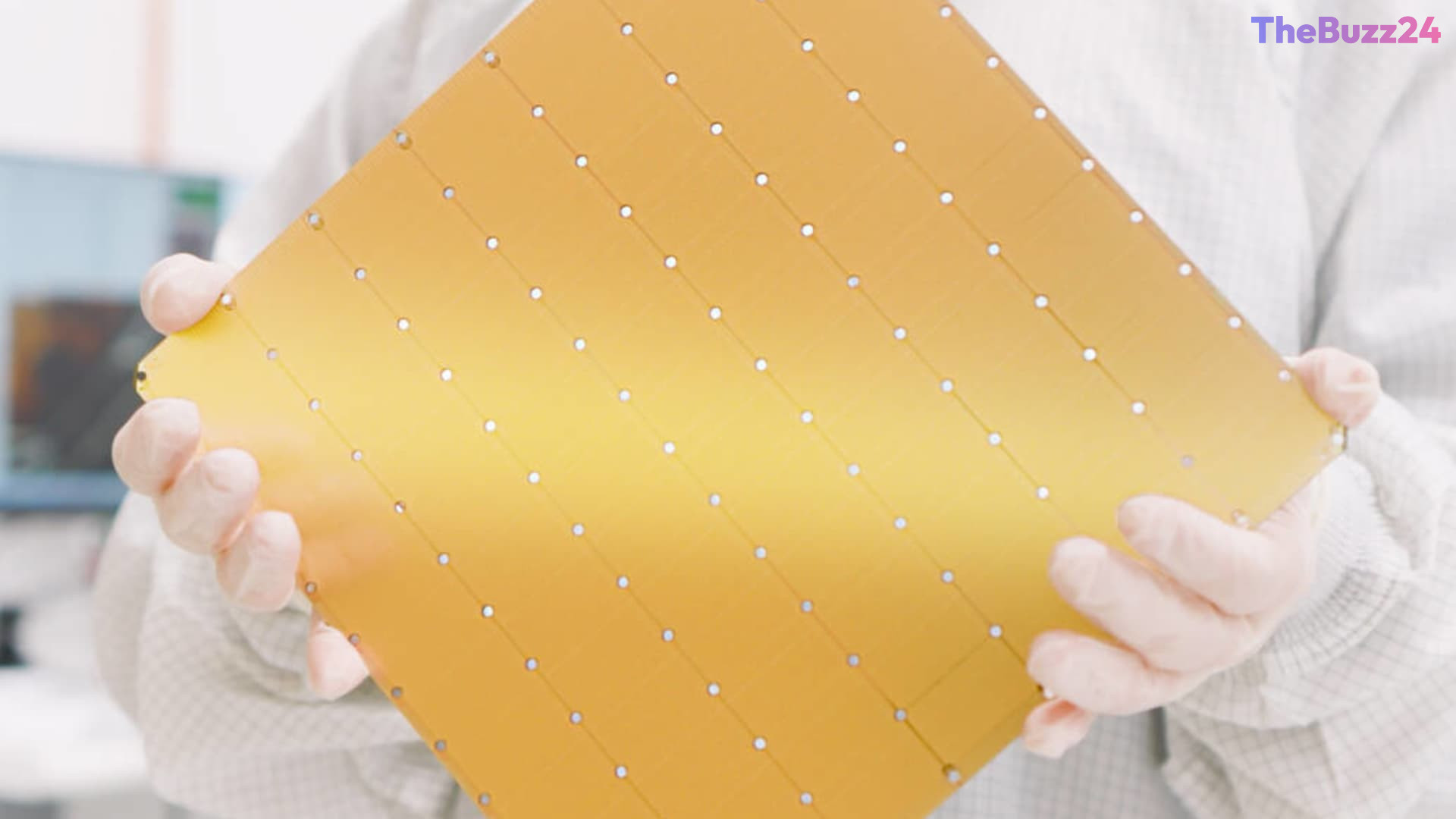
Central to the company’s competitive advantage is the WSE-3 chip, an application-specific integrated circuit (ASIC) built for high-speed AI inference. Unlike standard GPUs, which are designed for general-purpose parallel processing, the WSE-3 is a massive, wafer-scale processor. Produced by Taiwan Semiconductor Manufacturing (TSMC) using a 5-nanometer process, the chip boasts a transistor density that far exceeds traditional alternatives, making it a highly efficient solution for complex computational tasks.
Beyond its hardware innovations, Cerebras has successfully pivoted to a cloud-based service model. By deploying its processors within its own data centers, the company has secured significant partnerships, including a multi-year agreement with OpenAI and collaborative efforts with Amazon Web Services. This strategic evolution has proven highly successful, with the company reporting that its manufacturing and data center capacity is fully booked through 2027. The successful public offering serves as a strong validation of this business model and underscores the intensifying competition in the AI hardware space, as rivals like SambaNova and Rebellions race to bring their own optimized silicon solutions to market.
Key Takeaways
- Cerebras Systems' IPO underscores a growing market preference for specialized AI hardware over general-purpose GPUs.
- The WSE-3 chip utilizes a wafer-scale design and high transistor density to optimize performance for AI inference tasks.
- The company has successfully transitioned to a cloud-service provider model, with capacity already fully committed through 2027.
Editor’s Analysis & Impact
The public market debut of Cerebras Systems represents a pivotal moment in the evolution of AI infrastructure, signaling a move away from the ‘one-size-fits-all’ reliance on traditional GPUs. By prioritizing application-specific integrated circuits (ASICs), Cerebras is effectively tackling the inference bottleneck that currently hinders the commercial scaling of large-scale AI models. This trend points toward a future where AI infrastructure becomes increasingly specialized, requiring developers to select hardware tailored to specific computational needs. As competition heats up with emerging players like SambaNova and Rebellions, the industry will likely see a rapid acceleration in hardware efficiency. While this diversification fosters a more competitive ecosystem and could lower barriers to entry for AI development, it also places significant strain on global semiconductor manufacturing capacity, particularly at foundries like TSMC.
Frequently Asked Questions
Q: How does the WSE-3 chip differ from a standard GPU?
A: While GPUs are designed for general-purpose parallel processing, the WSE-3 is an ASIC specifically engineered for AI inference. Its wafer-scale architecture and higher transistor count allow it to handle the rapid, complex decision-making required by modern AI models more efficiently than standard hardware.
Q: What is the core of Cerebras Systems' current business strategy?
A: Cerebras has shifted its focus from selling individual hardware units to operating as a cloud-service provider. By hosting its specialized processors in its own data centers, the company provides clients with direct access to high-performance computing power, a model that has already secured major partnerships with industry leaders.
AI Disclosure: This article is based on verified data and official reports. Our Team and AI have cross-referenced every financial detail with primary sources to ensure total accuracy.
More from this Category