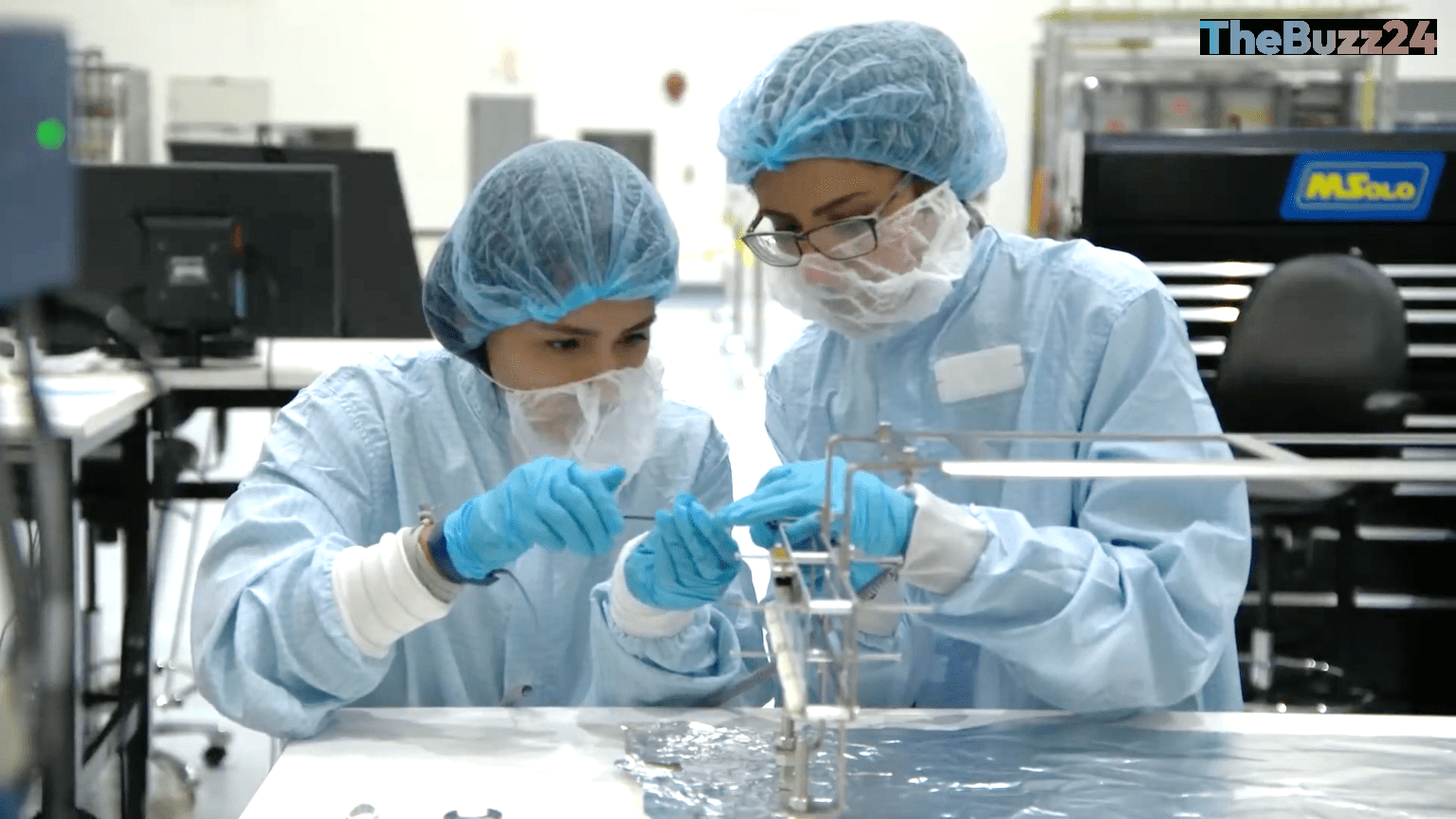
NASA Launches M-STAR Initiative to Empower Minority-Serving Institutions in Space Research
NASA has officially opened the application window for its Minority University Research and Education Project Space Technology Artemis Research (M-STAR) initiative. This funding opportunity is designed to bolster the research and technological capabilities of minority-serving institutions, providing them with the resources necessary to contribute meaningfully to the future of space exploration.
The program aims to align academic research with the agency’s long-term objectives for lunar, Martian, and deep-space missions. By fostering growth in scientific and engineering departments, M-STAR encourages faculty and students to engage more deeply in aerospace studies. This initiative is intended to bridge the gap for these institutions, helping them become more competitive when bidding for future federal and commercial research contracts.
Managed by the Office of STEM Engagement in collaboration with the Space Technology Mission Directorate, the program serves a dual purpose: advancing innovative space transportation and robotic discovery while cultivating a diverse, highly skilled workforce. By integrating cutting-edge technological development with academic training, the initiative ensures that the next generation of engineers and scientists is prepared to lead the evolving space economy.
Key Takeaways
- The M-STAR initiative provides targeted funding to minority-serving institutions to enhance their aerospace research and engineering capabilities.
- The program supports NASA’s broader goals for lunar and deep-space exploration by fostering a more diverse and prepared talent pool.
- Applications for the current funding cycle are open until 11:59 p.m. EDT on August 11.
Editor’s Analysis & Impact
The M-STAR initiative represents a strategic shift toward democratizing access to aerospace research funding. By specifically targeting minority-serving institutions, NASA is not only addressing historical disparities in STEM participation but also expanding the domestic talent pipeline essential for the burgeoning space economy. As private and public sector competition in space intensifies, the ability to tap into a broader, more diverse range of academic institutions will be a critical competitive advantage. This program effectively lowers the barrier to entry for smaller or under-resourced universities, allowing them to integrate into the high-tech aerospace supply chain. Long-term, this investment is likely to yield a more robust and innovative research ecosystem, ensuring that the next wave of breakthroughs in space transportation and robotic discovery benefits from a wider array of intellectual perspectives and institutional expertise.
Frequently Asked Questions
Q: What is the primary goal of the M-STAR initiative?
A: The goal is to grow the scientific and engineering capabilities of minority-serving institutions, enabling them to contribute to NASA’s space exploration missions and compete more effectively for future research awards.
Q: When is the deadline to apply for the M-STAR funding?
A: The application window closes on Tuesday, August 11, at 11:59 p.m. EDT.
AI Disclosure: This article is based on verified data and official reports. Our Team and AI have cross-referenced every financial detail with primary sources to ensure total accuracy.
More from this Category