Robotaxi Regulatory Battle Heats Up: Uber Clashes with Waymo Over D.C. Autonomous Vehicle Bill
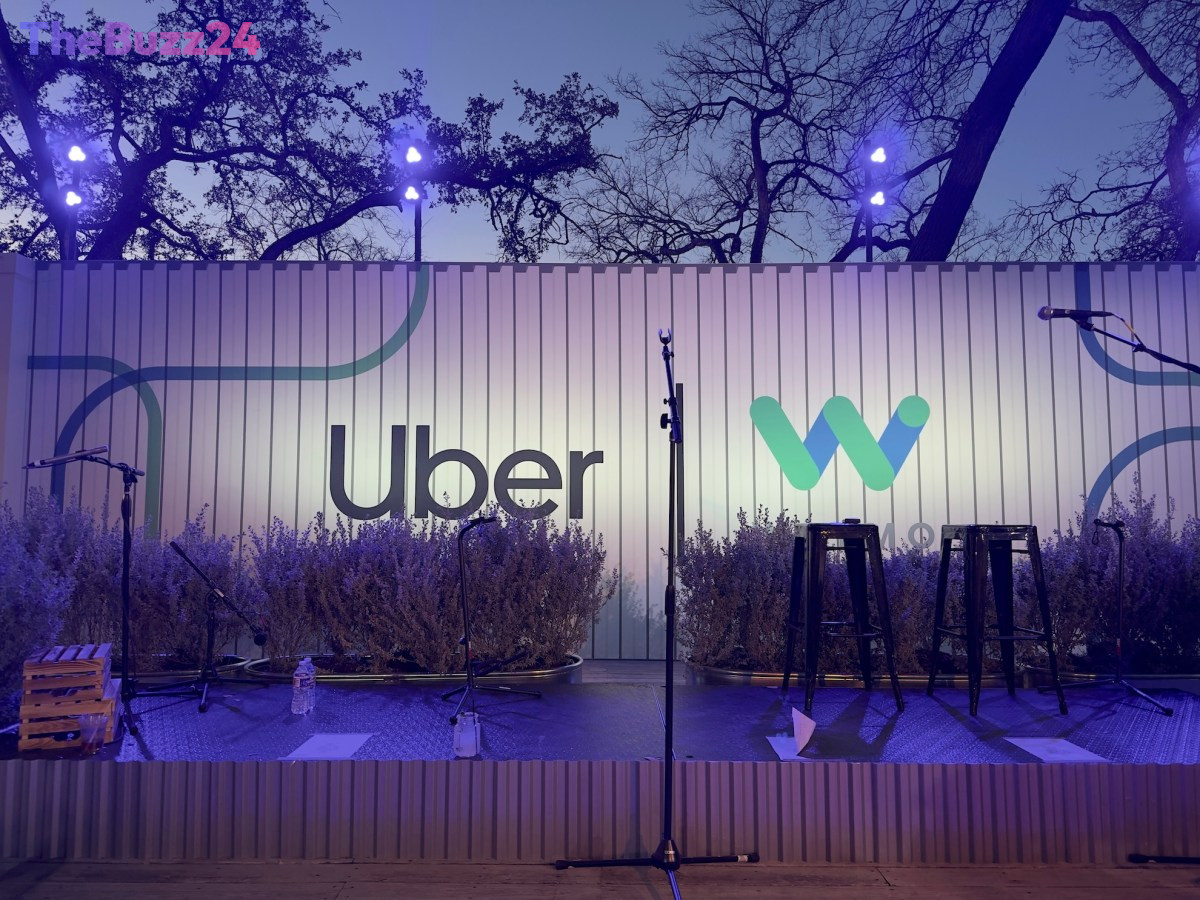
A significant regulatory battle is unfolding in Washington D.C. over the future of autonomous vehicles, pitting ride-hailing giant Uber against self-driving technology leader Waymo. At the heart of the dispute is a proposed bill before the D.C. Council that would govern the operation of robotaxis within the city. While Waymo generally supports the bill, Uber has mounted a strong opposition, raising concerns that its provisions could stifle competition and create a de facto monopoly for Waymo.
Uber’s core argument against the current D.C. bill centers on its potential impact on human drivers. The company contends that the legislation, as written, would displace existing for-hire drivers and unfairly benefit autonomous vehicle developers like Waymo. Instead, Uber is advocating for a regulatory framework that would integrate robotaxis into existing ride-hailing networks alongside human drivers. This proposed ‘hybrid’ model, however, faces skepticism from industry insiders regarding its feasibility.
A recent D.C. Council hearing on the matter saw participation from a wide array of stakeholders, including representatives from Lyft, Tesla, Uber, and Waymo, alongside numerous advocacy groups, industry bodies, and labor unions. While Waymo appears poised to benefit from the bill’s current structure, which includes testing requirements that the company has already met, other AV developers, such as Tesla, have voiced significant objections. These concerns include the proposed 180-day, 250,000-mile mandatory testing period, substantial application and permit fees, and a per-mile tax, with many arguing that testing conducted in other regions should be recognized.
Key Takeaways
- Uber and Waymo are on opposing sides of a proposed autonomous vehicle bill in Washington D.C.
- Uber argues the bill could lead to a monopoly for Waymo and displace human drivers, advocating for a hybrid model.
- Other AV developers, like Tesla, have raised concerns about the bill's extensive testing requirements, fees, and taxes.
Editor’s Analysis & Impact
The clash between Uber and Waymo over D.C.’s robotaxi regulations highlights a critical juncture for the autonomous vehicle industry. As cities grapple with integrating AVs, the debate over fair competition, driver displacement, and operational standards is intensifying. Uber’s push for a hybrid model suggests a strategy to leverage its existing ride-hailing infrastructure, while Waymo’s support for the bill indicates confidence in its technological lead and ability to meet stringent requirements. The outcome in D.C. could set a precedent for how other municipalities approach AV policy, impacting investment, innovation, and public acceptance across the sector. The industry’s ability to find a balanced regulatory approach will be key to its sustainable growth.
Frequently Asked Questions
Q: What is the main point of contention in the D.C. robotaxi bill?
A: The primary dispute revolves around how autonomous vehicles (robotaxis) should be integrated into the city's transportation network. Uber opposes the bill as it stands, fearing it will grant Waymo a competitive advantage and negatively impact human drivers. Waymo, conversely, appears to support the bill's framework.
Q: What are Uber's specific concerns regarding the proposed bill?
A: Uber is concerned that the bill, as written, could lead to a de facto monopoly for Waymo and displace a significant number of human ride-hailing drivers. They advocate for a system where robotaxis operate alongside human drivers on ride-hailing platforms.
Q: What objections have other autonomous vehicle companies, like Tesla, raised?
A: Companies like Tesla have raised objections to specific requirements in the bill, including a mandatory 180-day, 250,000-mile testing period, substantial application and permit fees, and a per-mile tax. They argue that testing mileage accumulated in other jurisdictions should be recognized.
AI Disclosure: This article is based on verified data and official reports. Our Team and AI have cross-referenced every financial detail with primary sources to ensure total accuracy.
More from this Category