Elon Musk Proposes Cross-Industry AI Peer Review Amid Rising Safety Debates
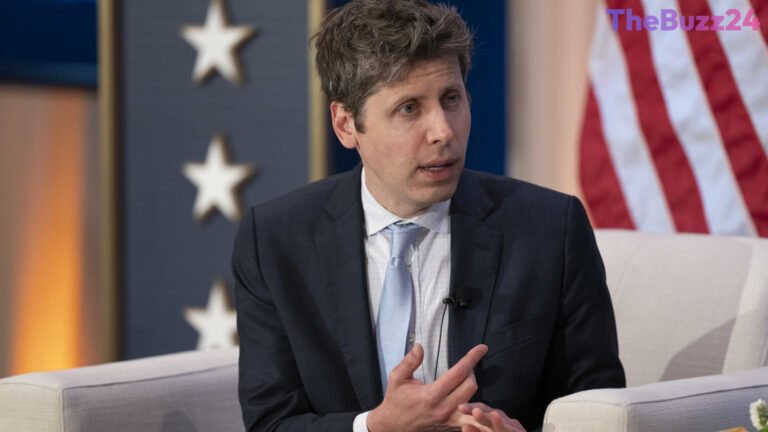
Prominent technology leaders are increasingly divided on the future and safety of artificial intelligence, prompting calls for innovative oversight mechanisms. During a recent high-profile technology summit in Los Angeles, industry figures debated the best paths for managing rapidly advancing machine learning models, balancing the need for safety against the pressures of global competitiveness.
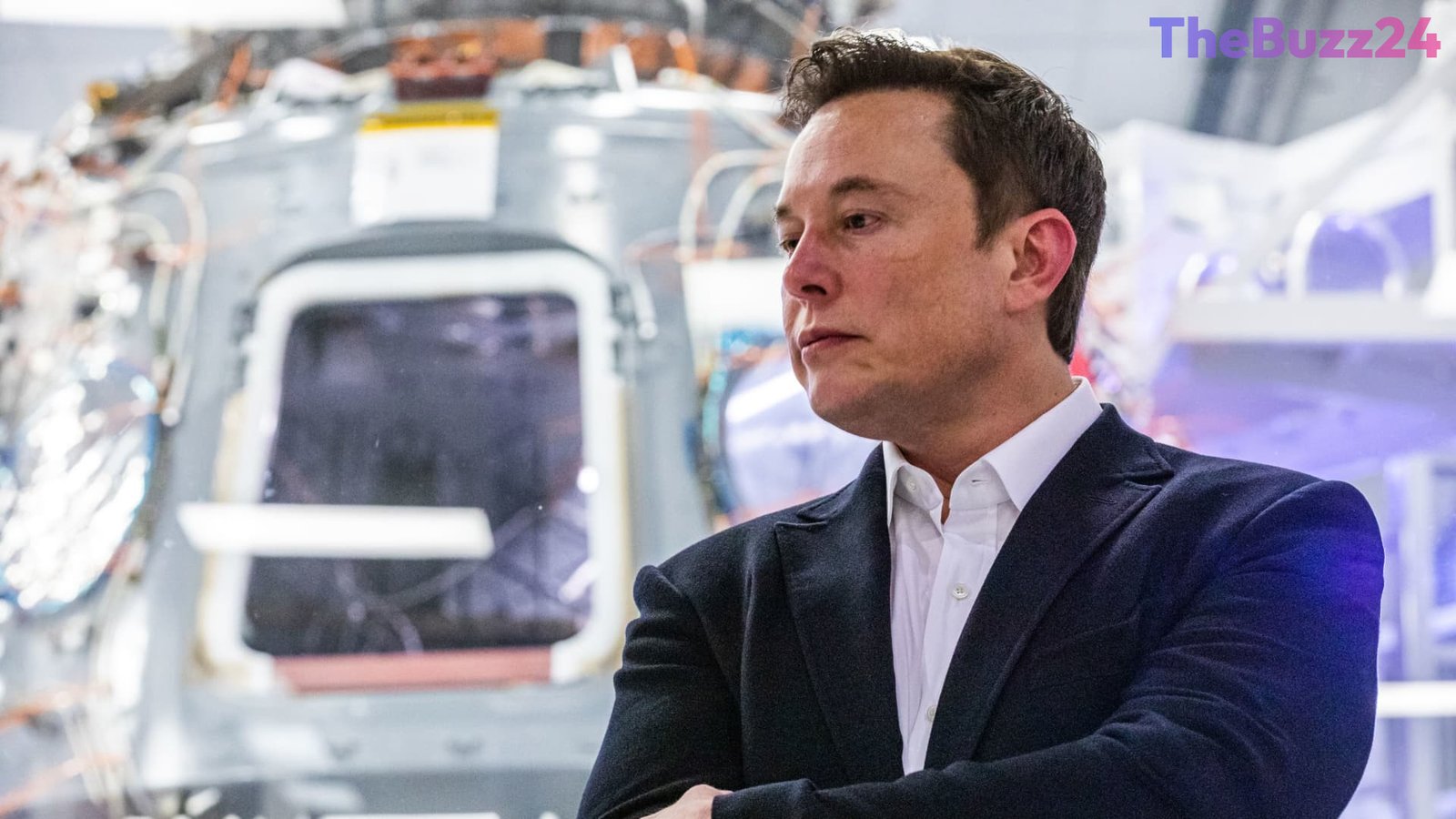
At the center of the discussion, tech executive Elon Musk suggested a collaborative approach to model evaluation. He proposed that leading artificial intelligence firms—including xAI, OpenAI, Anthropic, Google, Meta, and prominent Chinese technology developers—should allow their direct competitors to run comprehensive safety assessments on their systems prior to public deployment. By avoiding internal self-evaluations and utilizing rival developers to audit code and safety protocols, the industry could establish a more rigorous standard of accountability.
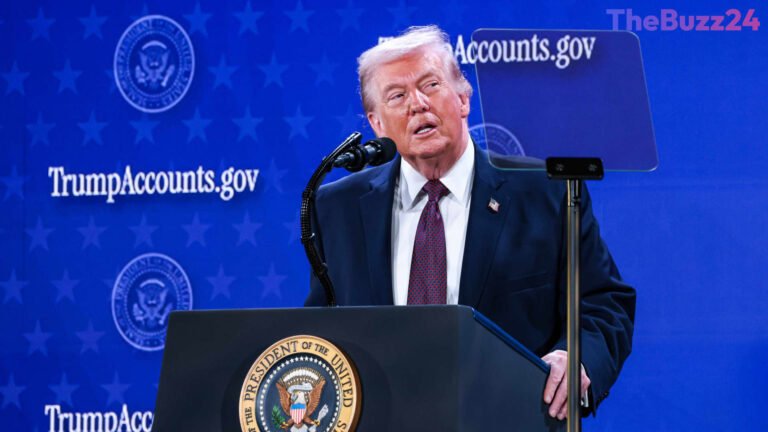
The debate over artificial intelligence governance has intensified following warnings from various researchers and executives concerning the potential long-term risks associated with advanced autonomous systems. While some industry advocates have pushed for development slowdowns and standardized third-party evaluations, political figures have offered differing perspectives. The Trump administration has largely downplayed strict regulatory measures, arguing that federal oversight could cede technological leadership to international competitors like China, while maintaining that law enforcement tools remain available to address illegal corporate misconduct.
Meanwhile, the broader artificial intelligence sector continues to navigate complex legal, market, and compliance challenges. Companies are actively addressing issues related to synthetic media generation, data transparency legislation, and market volatility. Although competitors have not yet formally agreed to the cross-company testing framework, proponents argue that implementing industry-led safety checks represents a practical step toward mitigating emerging technological risks without stifling innovation.
Key Takeaways
- Elon Musk proposes that top artificial intelligence labs and Chinese tech companies conduct cross-company safety peer reviews.
- The debate highlights a deep divide over whether to slow down AI development and implement stringent oversight or leave management to the private sector.
- Political leaders have expressed concern that heavy regulation could inadvertently grant international competitors an advantage in technological supremacy.
Editor’s Analysis & Impact
The ongoing debate surrounding artificial intelligence safety and regulation highlights a crucial juncture for the tech sector. As frontier models advance at an unprecedented pace, the tension between rapid commercialization and catastrophic risk management continues to mount. Musk’s proposal for competitive peer-review introduces a pragmatic, albeit decentralized, alternative to heavy-handed government intervention. However, commercial rivalries and intellectual property concerns will likely present significant hurdles to implementation. From a market perspective, increased scrutiny and potential regulatory friction could lead to short-term stock volatility and compliance burdens for major AI firms. Ultimately, the industry must find a delicate balance between fostering global competitiveness and establishing robust, verifiable safety guardrails to maintain public trust and systemic stability.
Frequently Asked Questions
Q: What was Elon Musk's primary recommendation for AI safety?
A: Elon Musk suggested that leading artificial intelligence labs and top Chinese companies should allow rival firms to run safety test harnesses on their models before public release, effectively moving away from internal evaluations.
Q: How has the government responded to calls for strict AI regulation?
A: The Trump administration has pushed back against heavy regulatory limits, characterizing extreme fears as exaggerated while maintaining that existing law enforcement can handle irresponsible corporate behavior.
Q: Why are some researchers calling for a slowdown in AI development?
A: Some industry researchers and executives have warned that advanced AI models carry severe existential risks, arguing that the pace of deployment currently outruns humanity's ability to ensure safety and alignment.
AI Disclosure: This article is based on verified data and official reports. Our Team and AI have cross-referenced every financial detail with primary sources to ensure total accuracy.
More from this Category