Curiosity Rover Begins Critical Drilling Mission to Decode Mars’ Geological Past
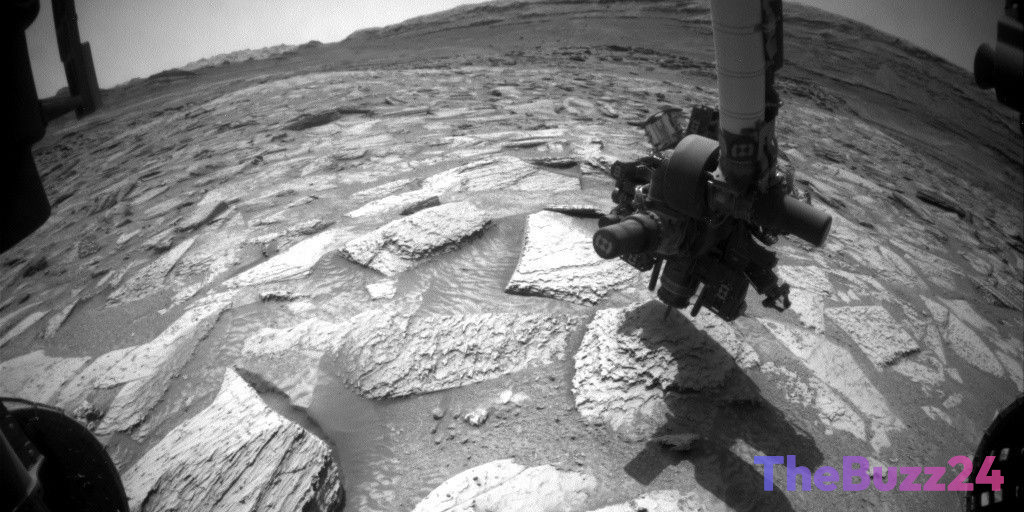
The Curiosity rover has officially launched a high-stakes drilling campaign at the Atacama site, signaling a pivotal shift in its exploration of Mount Sharp. This mission targets the first layered-sulfate bedrock encountered by the rover since it departed the boxwork terrain, offering a unique opportunity to examine the mineralogical history of the Martian surface. By extracting samples from these specific formations, scientists aim to reconstruct the environmental conditions that shaped the planet billions of years ago.
Before initiating the drilling process, the mission team conducted extensive contact science and load testing to ensure the safety and precision of the operation. Utilizing sophisticated onboard tools like the APXS and MAHLI, the rover has been documenting the site with high-resolution stereo mosaics. Key geological features, including the laminated ‘Queen of the Andes’ and the fractured ‘Curaco’ rock formations, are currently under intense scrutiny to help researchers map the structural evolution of the region.
Beyond its geological objectives, the rover remains active in its role as a meteorological station, continuously monitoring Martian dust levels, cloud formations, and the frequency of dust devils. The next phase of the campaign will see the rover deliver collected samples to its internal ChemMin instrument. This analysis will provide a comparative dataset against findings from the Mineral King site, located 160 meters below, effectively creating a vertical timeline that chronicles the shifting climate and geological history of Mars.
Key Takeaways
- The Curiosity rover has begun drilling into layered-sulfate bedrock at the Atacama site to study Mars' environmental history.
- The mission involves detailed analysis of specific rock formations like 'Queen of the Andes' and 'Curaco' to understand geological layering.
- Data from this site will be compared with previous findings from the Mineral King location to build a vertical timeline of Martian geological evolution.
Editor’s Analysis & Impact
The ongoing mission of the Curiosity rover at the Atacama site represents a significant milestone in planetary science, providing a rare ‘vertical’ look at Martian history. By analyzing sulfate-rich layers, researchers are essentially reading the geological record of a planet that once possessed liquid water and potentially habitable environments. The ability to compare mineralogy across different elevations allows for a more nuanced understanding of how Mars transitioned from a wetter, more hospitable world to the arid desert it is today. This data is not only vital for understanding Mars but also serves as a benchmark for future human exploration missions. As the rover continues its ascent of Mount Sharp, the insights gained will likely refine our models of planetary evolution and inform the selection of future landing sites for both robotic and crewed missions.
Frequently Asked Questions
Q: Why is the Atacama site significant for the Curiosity rover?
A: The Atacama site contains layered-sulfate bedrock, which provides critical evidence regarding the environmental and mineralogical history of Mars as the rover climbs Mount Sharp.
Q: What is the purpose of comparing Atacama data with the Mineral King site?
A: Comparing these two sites, which are separated by 160 meters in elevation, allows scientists to create a vertical timeline of geological changes, helping them understand how the Martian environment evolved over time.
AI Disclosure: This article is based on verified data and official reports. Our Team and AI have cross-referenced every financial detail with primary sources to ensure total accuracy.
More from this Category