Scientists Deploy Airborne Mission to Decode Dangerous ‘Fire-Breathing’ Storms
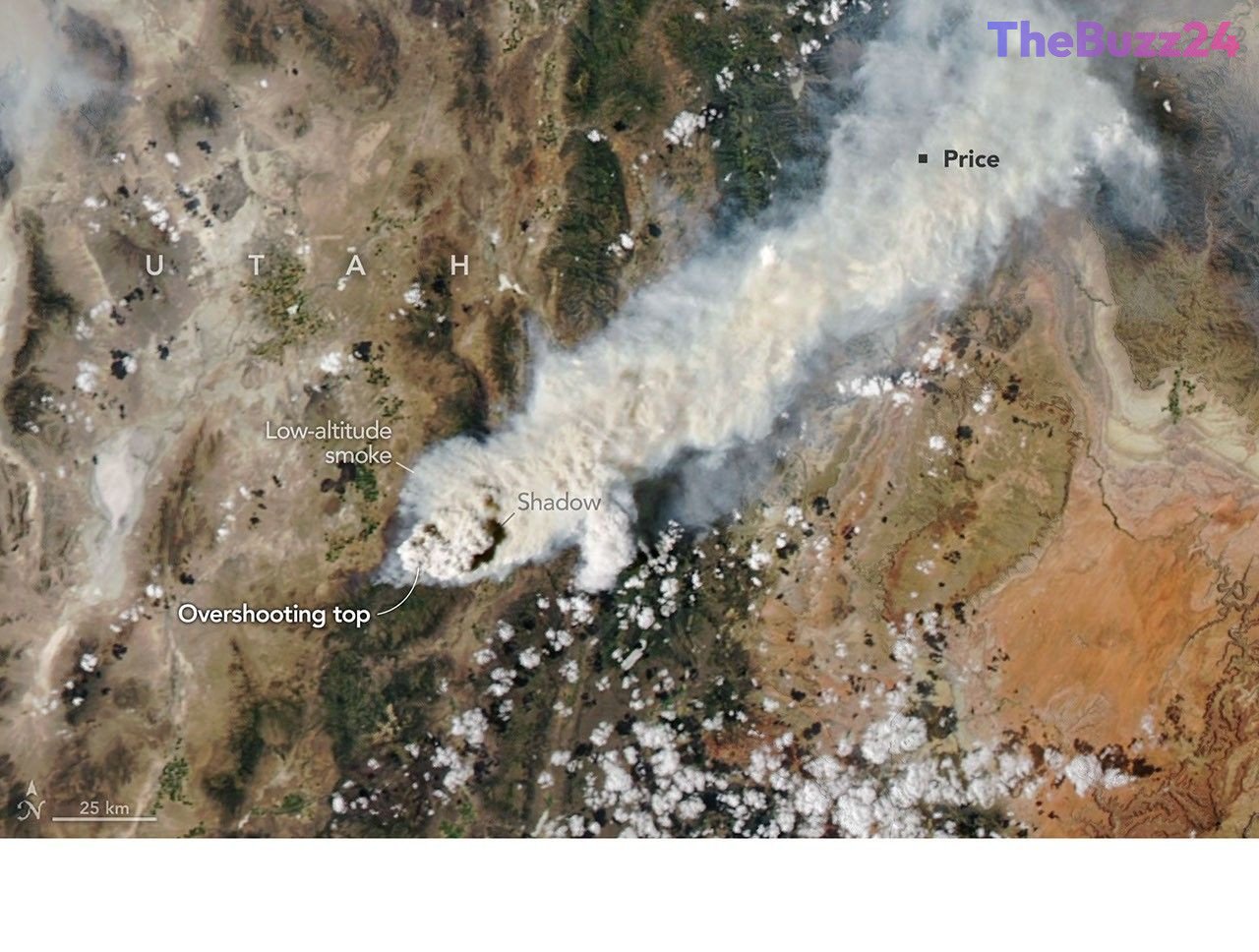
Atmospheric researchers are currently engaged in an intensive study of pyrocumulonimbus (pyroCb) clouds, a volatile weather phenomenon generated by intense wildfires. These smoke-infused thunderheads are capable of producing lightning, hail, and heavy rainfall, while simultaneously injecting massive quantities of particles and gases directly into the stratosphere. Once these pollutants reach such high altitudes, they can linger for months or even years, potentially impacting the ozone layer and altering the Earth’s energy balance.
To better understand these enigmatic storms, the INSPYRE mission has deployed a specialized fleet of aircraft and ground-based sensors to track and sample smoke plumes in real-time. On August 3, 2026, researchers successfully intercepted a high-altitude smoke pulse originating from the Widemouth 2 fire in Utah. By flying directly through the plumes at altitudes of approximately 12 kilometers, the team collected critical data that is typically absent from standard meteorological forecast models.
While satellites have long been used to identify these events by measuring cloud-top brightness temperatures, the direct sampling provided by the INSPYRE mission offers unprecedented insight into the mechanics of these storms. Experts note that while pyroCbs were once considered rare, they are now identified with increasing frequency, with over 700 events cataloged since the early 2000s. The research aims to demystify why only certain fires trigger these events and how to improve predictive capabilities for fire officials on the ground.
As the 2026 wildfire season continues, the data gathered from these missions remains vital. By analyzing the chemical composition and physical structure of these ‘fire-breathing’ clouds, scientists hope to reduce the uncertainty faced by emergency responders and gain a clearer picture of how wildfire-driven atmospheric changes influence global climate patterns.
Key Takeaways
- Pyrocumulonimbus clouds are wildfire-generated storms that can inject smoke and particles into the stratosphere, potentially affecting the ozone layer.
- The INSPYRE mission is using specialized aircraft to sample smoke plumes directly, providing data that is currently missing from traditional weather models.
- Researchers have identified over 700 pyroCb events since the early 2000s, suggesting that wildfires contribute significantly to stratospheric aerosol levels.
Editor’s Analysis & Impact
The study of pyrocumulonimbus (pyroCb) clouds represents a critical intersection between wildfire management and climate science. As global temperatures rise and wildfire seasons become more intense, the frequency of these ‘fire-breathing’ storms is likely to increase, posing greater risks to both local communities and the global atmosphere. The ability to accurately forecast these events is not merely a matter of academic interest; it is an essential tool for emergency management and public safety. Furthermore, the long-term impact of stratospheric smoke on the ozone layer and global energy budgets remains a significant variable in climate modeling. The INSPYRE mission’s shift toward direct, in-situ sampling marks a necessary evolution in atmospheric research, moving beyond passive satellite observation to active, high-resolution data collection that will likely redefine how we understand the atmospheric footprint of modern wildfires.
Frequently Asked Questions
Q: What is a pyrocumulonimbus (pyroCb) cloud?
A: A pyroCb is a dense, smoke-infused thundercloud created by the intense heat of a wildfire. These clouds can generate their own weather, including lightning and hail, and are powerful enough to push smoke into the stratosphere.
Q: Why are scientists concerned about smoke reaching the stratosphere?
A: When smoke and particles reach the stratosphere, they can persist for months or years. This can influence the Earth's energy budget, affect the ozone layer, and potentially have long-term impacts on global climate patterns.
Q: How does the INSPYRE mission study these clouds?
A: The mission uses a combination of high-altitude research aircraft and truck-based sensors to fly through and sample smoke plumes shortly after they form, allowing scientists to collect data that satellites alone cannot capture.
AI Disclosure: This article is based on verified data and official reports. Our Team and AI have cross-referenced every financial detail with primary sources to ensure total accuracy.
More from this Category